




The pecan vs pecan debate is as Southern as a church potluck and as friendly as a front-porch visit, because the nut we all love comes with more than one way to say its name.
Around Millican Pecan, we hear this question all the time. Folks visit San Saba, Texas, the “Pecan Capital of the World,” step into our store, and ask with a half-smile, “So… how do y'all say it here?”
What this article covers:
- The Three Main Ways People Pronounce “Pecan”
- Do Southerners Say Pecan or Pecan?
- How Do Northerners Say Pecan?
- Why Is “Pecan” Pronounced Differently?
- Is There a “Right” Way to Say Pecan?
- Frequently Asked Questions


The Three Main Ways People Pronounce “Pecan”
You'll run into three common pronunciations across the U.S., and none of them are wrong.
“puh-KAHN” or “pih-KAHN”
This version is strongly tied to the South and much of Texas. It starts soft and ends round, almost like you're letting the word linger the way pecan flavor lingers on your tongue.
In our corner of Texas, this is probably the most frequent pronunciation, especially among families who've been cooking with pecans for generations.
“PEE-can”
This form is common in the Northeast and in parts of the Midwest. The first syllable pops bright and clear, and the second one lands quickly.
If you grew up hearing adults talk about pecan pie at Thanksgiving up north, odds are this is the way your ear learned it.
“PEE-kahn”
You'll also hear a blended version that starts like “pee-can” and ends like “puh-kahn.” It's not as widespread, but it's real, and it often shows up in families with mixed regional roots.

Do Southerners Say Pecan or Pecan?
Even in Texas, pronunciation varies. Some families say “puh-KAHN.” Some say “pih-KAHN.” A few say “PEE-can.” There's no right answer handed down from on high, and there's no reason to make it one. If anything, the variety is part of the charm.
What unites Southerners isn't the syllables, it's the way pecans show up in our lives. They're folded into cookie dough at Christmastime, sprinkled over sweet potatoes at Sunday supper, and cooked into candy that disappears faster than you meant it to.
How Do Northerners Say Pecan?
Up north, “PEE-can” is often more common. That pattern likely came from early settlement routes and regional speech habits that stuck.
But even that isn't ironclad. Families move, recipes travel, and food culture reshapes language.
A woman from Georgia relocates to Ohio, makes a pecan pie every year, and suddenly her neighbors start calling it “puh-KAHN pie” without thinking twice. Language follows food, and food follows people.
Why Is “Pecan” Pronounced Differently?
Here's where the story gets interesting.
Indigenous Roots and Multiple Borrowings
“Pecan” comes from Indigenous languages of North America, often traced to Algonquian roots referring to nuts that needed cracking with a stone.
English speakers didn't adopt the word in one single moment. They borrowed it in different places and times, which naturally produced different sounds.

Regional Dialects Shaped the English Versions
As settlers moved through the Southeast, the Mississippi Valley, and into Texas, they folded the word into local speech rhythms. Some dialects softened the first syllable.
Others brightened it. Once a pronunciation took hold in a community, it stayed, because it was passed down the same way a favorite recipe is passed down.
We see that same kind of kitchen-language mix-up in searches like praline vs pecan, where people are really asking whether a praline is a nut or a candy made with pecans.
Is There a “Right” Way to Say Pecan?
The “right way” is the way that feels natural in your mouth and familiar in your community. As long as people understand what you're saying, you're saying it the right way.
If your mama said “PEE-can,” that sound carries love. If your granddad said “puh-KAHN” while shelling nuts on the porch, that sound carries history.
For us at Millican, the nut itself matters more than the vowels. Pecans are a North American native “super nut,” naturally rich in around 20 vitamins and minerals.
Our founder, E.E. Risien, planted what became the oldest commercial pecan orchard in the U.S. right here in San Saba. Back in the day, even Queen Victoria and Alfred Lord Tennyson ordered San Saba pecans.
We doubt they worried about pronunciation. They wanted something fresh, elegant, and unforgettable.
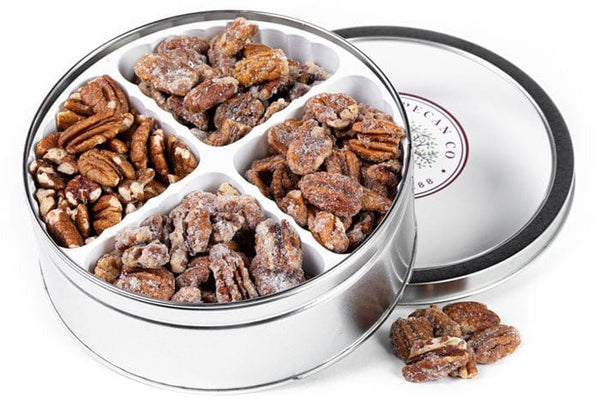
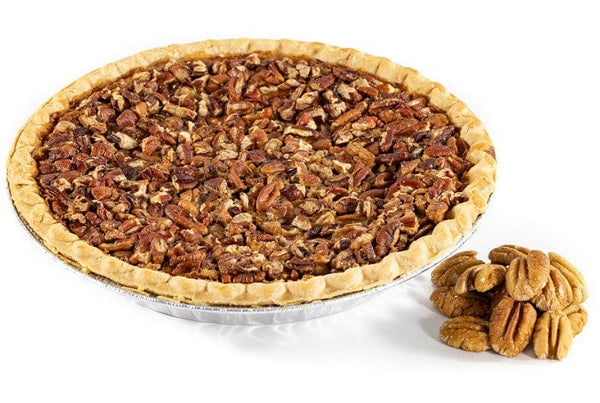
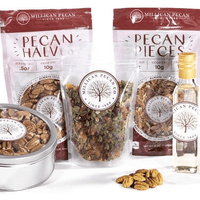
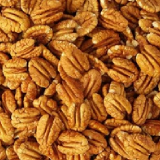
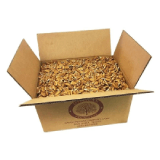
Speaking of fresh, if you're stocking up for baking season or everyday snacking, our fresh pecans come straight from our orchards. If you're planning holiday desserts, you'll find time-tested favorites in our pecan pies.
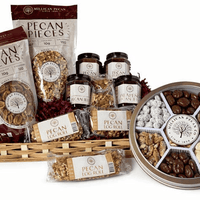
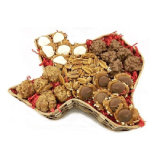
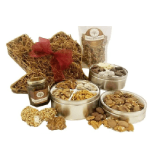
And if you're choosing a meaningful gift for a hostess, client, or loved one, our pecan gifts are packed and shipped from San Saba with care.

Frequently Asked Questions
Is It Pronounced Pee-Can Or Puh-Kahn?
Both are correct. “PEE-can” is common in the Northeast and parts of the Midwest, while “puh-KAHN” or “pih-KAHN” is common across the South and Texas. Use the pronunciation that feels natural in your community.
Why Do People Argue About Pecan Pronunciation?
Most of the time, they're really arguing about identity and tradition. How you say pecan often signals where you grew up, who taught you to cook, and what holidays sounded like in your home. It's cultural shorthand.
How Do Southerners Pronounce Pecan?
Many Southerners say “puh-KAHN” or “pih-KAHN,” but the South is not uniform. Plenty of Southern families use “PEE-can,” especially in areas shaped by migration or mixed regional roots. No single rule exists.
How Do Northerners Pronounce Pecan?
Northerners more often say “PEE-can,” though you'll still hear “puh-KAHN” depending on family background or local influence. Food words travel, and pecan is a perfect example of language following taste.
Conclusion
However you land in the pecan vs pecan debate, the sweetest truth is that this word belongs to everyone who's ever shelled a handful at the table, stirred them into batter, or tucked a tin into a gift bag.
If you're craving something simple and orchard-fresh, start with Millican Pecan fresh pecans or kitchen-ready pecan halves.
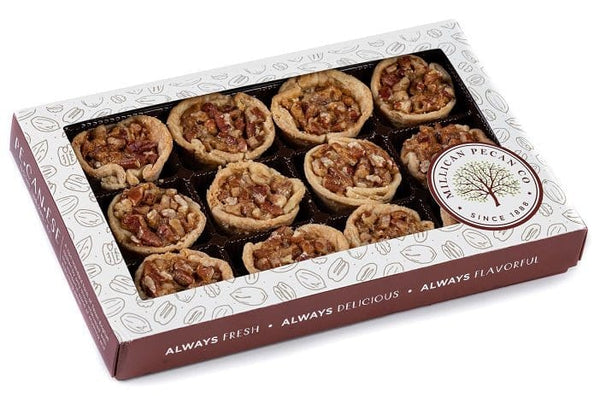
If you're planning holiday baking (or a quiet Sunday treat), our pecan pies and bite-sized mini pecan pies bring that classic Texas sweetness to your table.
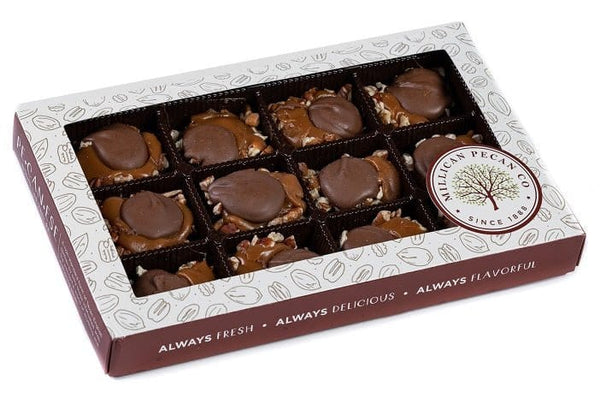
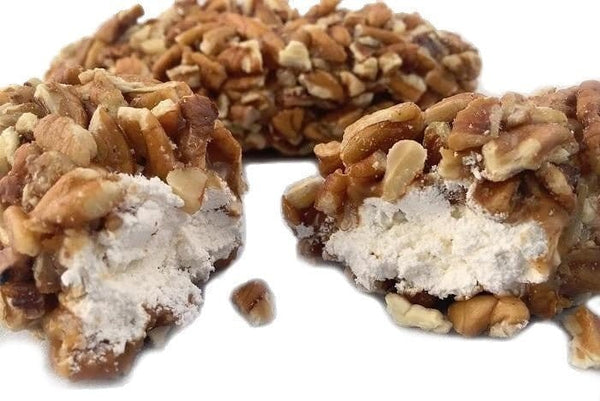
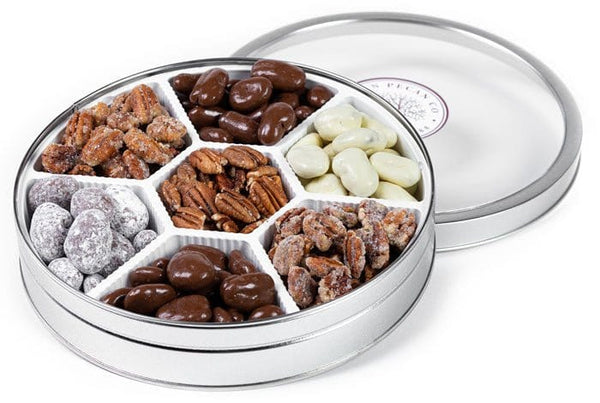
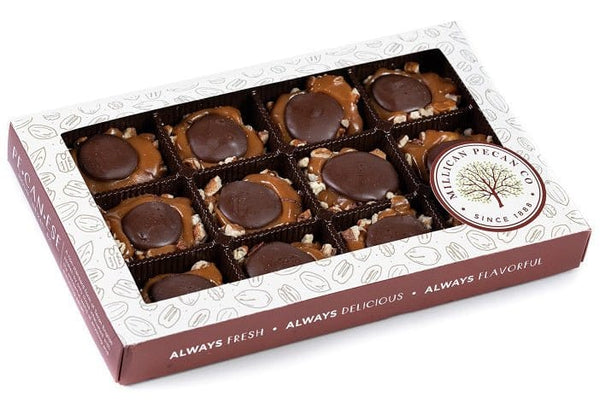
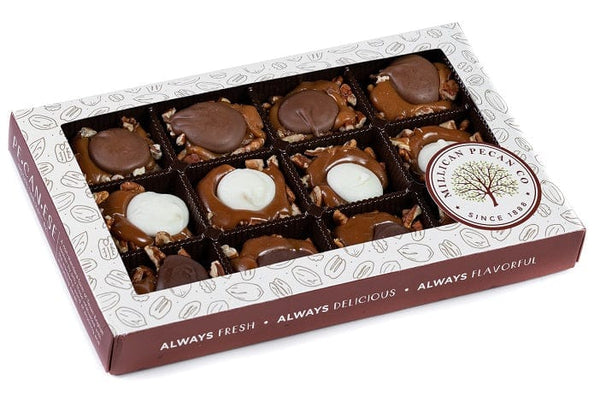
And if you're shopping for something that feels meaningful, not generic, our pecan gifts, chocolate-covered pecans, and old-fashioned praline pecans are made to be opened with a smile.
Wherever you're saying it from, “pee-can,” “puh-kahn,” or somewhere in between, we're honored to be your pecan people.
Curious to learn more about pecans? Check out these articles: