







When you're weighing pecans vs almonds, you're really asking a smart, everyday question: which nut fits my life right now, my health goals, my recipes, or the gifts I want to give?
Both are wholesome tree nuts with long histories in American kitchens, but they bring different strengths to the table, and different kinds of joy to the people who eat them.
Let's walk through the differences so you can choose with confidence.

What this article covers:
- Quick Comparison: Pecans vs Almonds at a Glance
- Nutrition Differences (Per 1 oz)
- Taste, Texture, and Best Uses
- Which Nut Is Better for Your Goals?
- Harvest, Heritage, and Why Freshness Changes Everything
- Frequently Asked Questions


Quick Comparison: Pecans vs Almonds at a Glance
Here's the snapshot, using a standard 1-ounce serving (about a small handful).
|
Category |
Pecans |
Almonds |
|
Calories |
Higher |
Lower |
|
Protein |
Lower |
Higher |
|
Fiber |
Moderate |
Higher |
|
Fat type |
More monounsaturated fats (MUFA) |
MUFA-rich, but less total fat |
|
Carbs |
Slightly lower net carbs |
Slightly higher net carbs |
|
Flavor |
Buttery, naturally sweet |
Mild, toasty, lightly sweet |
|
Best for |
Desserts, candied snacks, gifting |
Every day protein-fiber snacking, flours, savory crunch |
A 1-ounce serving of almonds clocks in around 164 calories with about 6 grams of protein, while pecans are closer to 196 calories with about 2.6 grams of protein – mostly because pecans naturally carry more healthy fat.
Nutrition Differences (Per 1 oz)
Nutrition isn't a contest here. Think of it as two excellent tools that shine in different jobs.

Calories and Macros
Pecans are more calorie-dense because they're fattier, and their fats are mostly unsaturated. Almonds bring more protein per serving and slightly fewer calories.
If you're someone who feels best when snacks are rich and satisfying, pecans do that naturally. If you're building snacks around protein and fiber, almonds are the clear leader.
Fat Profile
Pecans are especially rich in monounsaturated fats, the same heart-friendly type you find in olive oil. That MUFA profile is part of why pecans taste so buttery and mellow. Almonds are also MUFA-rich, just with less total fat overall.
In a practical sense, pecans give you more of those velvety, satiating fats per handful, while almonds stay a little leaner.
Fiber and Carbs
Almonds are one of the highest-fiber nuts, which support digestion and help keep you full longer. Pecans still provide fiber, but a bit less than almonds.
Both are low-carb foods, with pecans coming in slightly lower on net carbs, which is why they often slide more easily into low-carb or keto-friendly routines.
Key Vitamins and Minerals
Almonds stand out for vitamin E, calcium, magnesium, riboflavin, niacin, and folate. Pecans bring more manganese, zinc, thiamin (vitamin B1), and a wide range of polyphenols and antioxidants.
We like to remind folks that pecans are a native North American “Super Nut,” naturally rich in around 20 vitamins and minerals. That broad micronutrient spread is one reason our customers keep coming back for pecans as an everyday staple, not just a holiday ingredient.

Taste, Texture, and Best Uses
Nutrition can tell you a lot, but flavor is what decides what you actually keep in the pantry.
Flavor Notes
Pecans taste buttery, naturally sweet, and rich without being heavy. Almonds are mild, lightly sweet, and toasty. That's why pecans feel like they belong in dessert, while almonds feel like they can go sweet or savory without blinking.
Texture and Cooking Performance
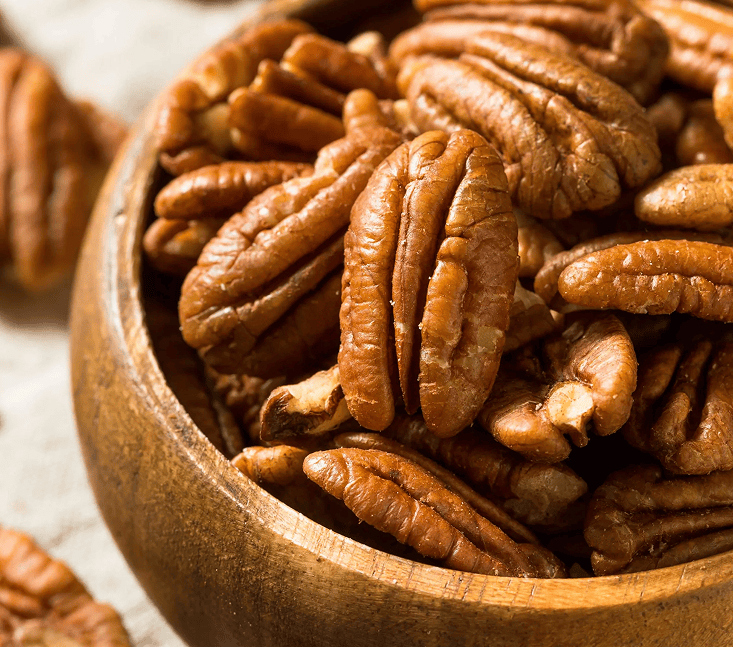
Pecans are softer with a tender crunch. When you toast them, they bloom into a warm, caramel-like aroma. They caramelize beautifully, which is why they're the backbone of Southern candied nuts and pralines.
Almonds are firmer and more structured. They grind well into flour, blend smoothly into milk or butter, and hold a crisp bite in salads and granola.
Best Use Cases
In our kitchen, we reach for pecans when we want richness and a little Southern sweetness:
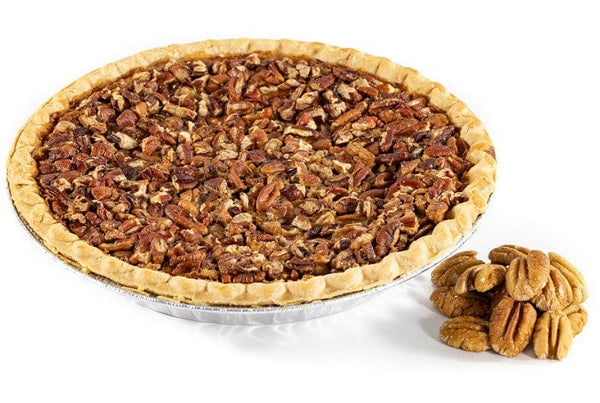
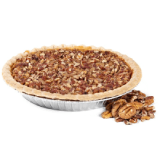
- Desserts like cookies, bars, and classic pecan pies.
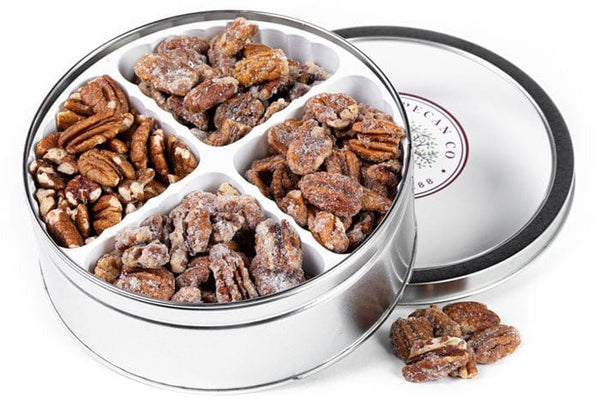
- Candied or spiced snacks, especially for holidays.
- Roasted toppers for salads and vegetables.
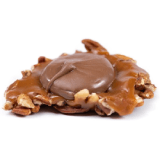
- Praline-style treats (compare praline vs pecan for when candy season rolls around).
We reach for almonds when we want straightforward crunch, protein, or baking structure:
- Trail mixes and everyday snacking.
- Almond butter, almond flour, and almond milk.
- Savory crusts for fish or chicken.
- Granola that needs a sturdy bite.

Which Nut Is Better for Your Goals?
Here's where the decision gets personal.
For Keto or Lower Net Carbs
Both fit, but pecans edge almonds slightly on net carbs, and their fat profile makes them feel more satisfying in smaller portions.
For Cholesterol Support
Both help when eaten regularly as part of a balanced diet. Almonds carry the deepest evidence base overall, and pecans show strong recent results as a snack swap.
For Dessert Baking
Pecans are the natural Southern pick. Their sweetness and tender bite fold into pies, cookies, and pralines without overpowering your flavors.
Almonds work beautifully in baked goods that need structure, like almond flour cakes or biscotti.
Harvest, Heritage, and Why Freshness Changes Everything
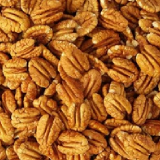
One thing nutrition charts can't show you is freshness. Pecans that are newly harvested and carefully handled taste different, fuller, sweeter, and cleaner.
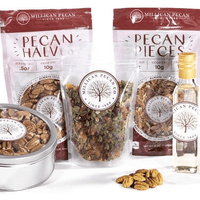
Because Millican controls every step, from growing and harvesting to shelling, crafting, and shipping directly from our orchards, we can get that flavor to your door without the long warehouse layover that dulls most grocery-store nuts.
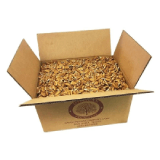
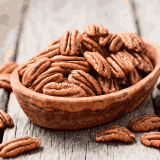
If you're cooking often, keep bulk pecans on hand; they make baking season feel easy. If you want a pantry staple that tastes like the orchard, start with fresh pecans.
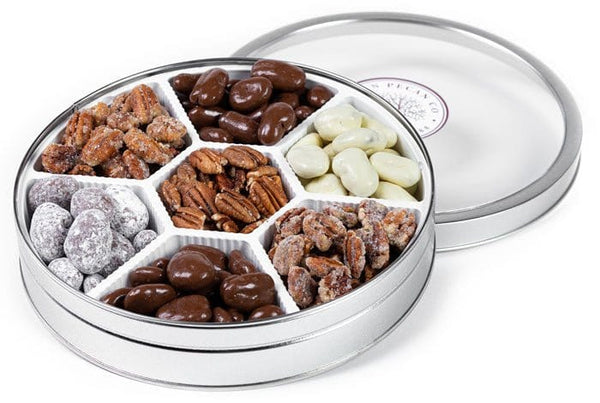
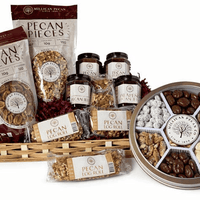
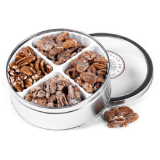
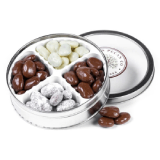
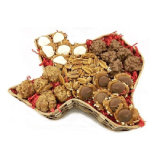
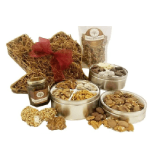
And if you're shopping for a meaningful present, our pecan gifts are the kind of Southern generosity people remember.

Frequently Asked Questions
Are Pecans Healthier Than Almonds?
Both are healthy, but they shine differently. Almonds bring more protein, fiber, and vitamin E, while pecans bring more monounsaturated fats and polyphenol antioxidants. If you want daily protein and fiber, almonds lead; if you want rich MUFA fats and lower net carbs, pecans lead.
Are Pecans Or Almonds Better For Keto?
Both are keto-friendly, but pecans are slightly lower in net carbs and higher in fat, which can suit keto macros more easily. Almonds still work well, especially if you want more fiber and protein alongside a low-carb plan.
Which Nut Is Best For Baking?
Pecans bring buttery sweetness and tenderness to pies, cookies, and pralines. Almonds add structure, crunch, or flour options for more European-style pastries. Many bakers keep both on hand for different moods.
Conclusion
So, which wins: pecans or almonds? The honest Southern answer is, it depends on what you want today.
Almonds are better for higher protein, higher fiber, and vitamin E-rich everyday snacking. Pecans are better for buttery flavor, monounsaturated richness, a slightly lower net-carb profile, and desserts that taste like home.
If you want to stock your kitchen with the freshest pecans possible, explore Millican Pecan for the best pecans.
Start simple with fresh pecans or baking-ready bulk pecans. Then let the season guide you into pecan pies, buttery-sweet praline pecans, warm-and-toasty roasted pecans, or a beautiful tin of pecan gifts.
Curious to learn more about pecans? Check out these articles: