



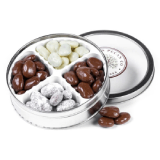
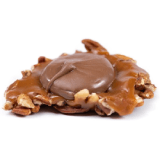
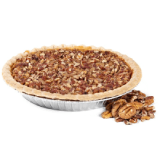
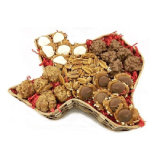






Pecan pralines sit at the heart of Southern confectionery tradition, a candy so simple in its ingredients yet so rich in history, craftsmanship, and flavor that it has become a cultural symbol as much as a dessert. Long before they appeared in holiday tins or gift boxes, pralines traveled from 18th‑century French kitchens to the bustling streets of New Orleans, where the abundance of pecan trees transformed the original almond‑based recipe into the beloved pecan praline we know today. What began as a humble mixture of sugar and nuts evolved into a melt‑in‑your‑mouth delicacy that generations have passed down, perfected, and celebrated.
Today, pecan pralines are more than just sweets, they are a blend of heritage, regional pride, and culinary creativity. Their signature texture, somewhere between candy and cookie, comes from the delicate balance of caramelized sugar, butter, cream, and toasted pecans. Each batch tells a story: the slow stirring over a warm stove, the precise moment the mixture reaches the right temperature, and the satisfying drop of glossy spoonfuls onto parchment as they cool into glossy, fragrant patties.
This guide brings together everything that makes pecan pralines special — their origins, their variations, the science behind their texture, the best methods for storing them, and a collection of recipes ranging from traditional to modern. It’s a deep dive into the world of pralines, designed for anyone who loves Southern sweets, wants to master the craft, or simply enjoys learning about the stories behind iconic foods.
What Are Pecan Pralines?
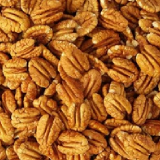
Pecan pralines are the perfect treat for your sweet tooth. They bring a delighted smile to everyone’s face and pair beautifully with coffee or brunch. Pecans are considered a superfood, packed full of vitamins and minerals, and even when used in pralines, they retain much of their nutritional value.
A praline is a confection made from sugar and nuts — traditionally almonds in France, but pecans became the star ingredient in the American South. Their buttery flavor and high antioxidant content make them ideal for pralines.

The Three Main Types of Pralines
There are three major praline traditions: American (Southern), French, and Belgian.
- American / Southern Pralines: Made with pecans, sugar, cream or milk, butter, and vanilla. Soft, creamy, melt‑in‑your‑mouth.
- French Pralines: Made with almonds or hazelnuts coated in caramelized sugar. Harder, crunchy texture.
- Belgian Pralines: Soft chocolate shells filled with nut pastes or creams, more like luxury chocolates.
Southern pecan pralines are the ones most people imagine: patty‑shaped, creamy, sweet, and full of pecans.
History and Cultural Significance
The term “praline” originated in France in the 18th century, named after Marshal de Plessis-Praslin. His cook caramelized almonds in sugar, creating the first praline. When French settlers arrived in New Orleans, they adapted the recipe using local pecans and sugar cane — giving birth to the modern pecan praline.
Pralines have been a beloved Southern treat for centuries. Their evolution from French almond candies to pecan-based confections reflects the agricultural richness of the American South.
How to Make Pecan Pralines?
Classic Method
Pecan pralines are easy to prepare. Combine granulated sugar, butter, and milk or cream. Heat the mixture to a boil and cook until it reaches 240°F. Add pecans, beat until thickened, then drop spoonfuls onto a lined tray to cool and harden.
Traditional Southern Technique
Making pecan pralines requires heating sugar, cream, and butter to a precise temperature, then stirring in chopped pecans before spooning the mixture onto wax paper to cool.

Chewy Pecan Pralines (Recipe)
Ingredients:
2 cups sugar
2 cups light corn syrup
1 lb butter
2 cups heavy cream
2 tsp vanilla
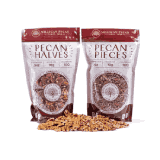
8 cups pecan pieces
Directions:
Mix sugar, corn syrup, and butter over medium heat, stirring constantly. Slowly pour in heavy cream. Cook until the mixture reaches 240°F. Remove from heat, stir in vanilla and pecans, then drop spoonfuls onto a greased sheet pan. Let cool and wrap individually.
More Pecan Praline Recipes
New Orleans Pralines
Ingredients:
2 cups chopped pecans
1 cup brown sugar
1¼ cup granulated sugar
½ cup half-and-half
8 tbsp butter
1 tbsp vanilla
Directions:
Cook sugars, butter, and cream until candy temperature. Stir in vanilla and pecans. Drop spoonfuls onto parchment and cool.
Pecan Candy (Classic)
Ingredients:
2 cups toasted pecans
½ cup brown sugar
1½ cups granulated sugar
3 tbsp dark corn syrup
1 cup milk
4 tbsp butter
1 tsp vanilla
½ tsp salt
Directions:
Cook sugars, syrup, and milk until 240°F. Stir in butter, pecans, vanilla, and salt. Drop spoonfuls onto parchment and cool.

Pecan Candy with Brown Sugar
Ingredients:
2 cups toasted pecans
1½ cups brown sugar
½ cup granulated sugar
3 tbsp molasses
¼ cup mini marshmallows
1 cup heavy cream
2 tbsp butter
½ tsp vanilla
Pecan Candy with Condensed Milk
Ingredients:
2 cups roasted pecans
1½ cups brown sugar
1½ cups granulated sugar
3 tbsp light corn syrup
½ cup evaporated or condensed milk
2 tbsp butter
½ tsp vanilla
Pinch of salt
Pecan Praline Cookies
A cookie dough enriched with praline chunks and topped with whole pecans, baked until golden.
Creamy Praline Recipe
A softer, creamier praline made with brown sugar, cream, butter, and toasted pecans.
Common Mistakes When Making Pralines (And How to Fix Them)
- Pralines are grainy: Sugar crystallized, avoid stirring after boiling.
- Pralines stay soft: Mixture didn’t reach 240°F.
- Pralines are too hard: Overcooked past soft‑ball stage.
- Pralines spread too much: Mixture was too hot when spooned.
- Pralines won’t set: Too much cream or humidity too high.
Tips for Perfect Pralines Every Time
- Use a heavy‑bottomed pot.
- Cook on medium heat, not high.
- Use a candy thermometer for accuracy.
- Add cream slowly to prevent scorching.
- Let pralines cool naturally (no fridge).
How Long Do Pecan Pralines Last?
Pecan pralines last up to three weeks. After that, they don’t spoil, but the sugar begins to re-crystallize, making them harder and less creamy.
For best flavor and texture, consume pralines within the first 2–3 weeks.
How to Store Pecan Pralines?
Once cooled, store pralines in a jar or airtight container. Do not store different types of candies together — they can exchange moisture and aroma, affecting texture.
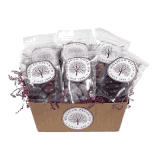
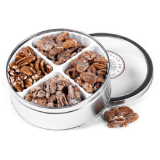
For gifting, wrap pralines individually in cellophane or arrange them in decorative tins with wax paper between layers.
Related article: Are Soft Pecans Bad? The Complete Guide to Proper Pecan Storage
Freezing Pecan Pralines
Yes, you can freeze pecan pralines for up to 3 months. Use an airtight container lined with wax paper to prevent sticking and frost.
Why Pecan Pralines Are So Loved
Pecan pralines offer a perfect balance of sweet caramel and crunchy pecans. The creamy, melt‑in‑your‑mouth texture combined with nutty richness makes them irresistible.
They are versatile — enjoyed as candies, toppings, gifts, or festive treats — and they bring people together during holidays and celebrations.
FAQ
Are pecan pralines gluten‑free?
Yes! Pecans are naturally gluten‑free, and most praline recipes contain no gluten unless cross‑contaminated.
Why did my pralines turn grainy?
Sugar crystallized too quickly — usually from undercooking, overstirring, or humidity.
Why won’t my pralines harden?
They didn’t reach the correct temperature (240°F). Reheat gently and cook longer.
Can I freeze pralines?
Yes — up to 3 months in an airtight container with wax paper.
How long do pralines last?
Up to 3 weeks at room temperature, though best in the first 10–14 days.
What’s the difference between praline pecans and pecan pralines?
Pecan pralines are patty‑shaped candies; praline pecans are individual nuts coated in praline mixture.
Conclusion
Pecan pralines are a timeless Southern classic — rich, sweet, nutty, and endlessly versatile. Whether you're exploring their history, learning to make them, or perfecting your own recipe, pralines offer a delicious blend of tradition and creativity.
With proper storage, they stay fresh for weeks, making them perfect for holidays, gifts, and everyday indulgence.


