



Glazed Pecans: The Complete Guide
Pecan Recipes BlogFew things in the kitchen deliver as much reward for as little effort as a batch of freshly glazed pecans. That moment when the sugar coating sets, the butter hardens into a glossy shell, and the whole thing cracks between your teeth. It's one of those simple pleasures that never gets old.
Whether you're looking for a classic butter pecan glaze, a quick stovetop pecan glaze for a weeknight salad, or you want to buy glazed pecans already made from a source you can trust, this guide covers everything. We'll walk through five distinct glazes, two foolproof methods, the most common mistakes and how to fix them, and every way you'll want to use homemade glazed pecans once you have a batch on hand.
What Are Glazed Pecans?
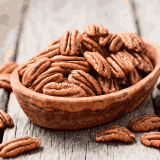
Glazed pecans are pecan halves coated in a sugar-based mixture typically involving butter, brown sugar, and some combination of maple syrup, honey, spices, or egg whites, and then roasted until the coating hardens into a sweet, crackling shell.
They go by several names depending on the glaze and technique:
- Candied pecans: usually egg-white based, with a lighter, crispier coating
- Glazed pecans: typically butter and sugar based, with a richer, more caramel-like shell
- Praline pecans: a Southern classic, made with cream and sugar cooked to a candy stage
- Pecan glaze: can refer to the coating itself or a liquid glaze poured over baked goods
Why the Pecan Underneath the Glaze Matters Most
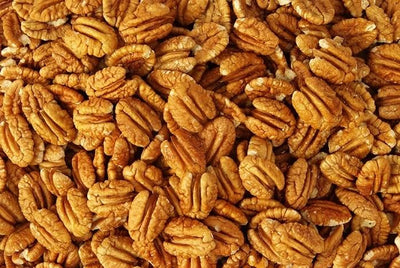
Here's the thing none of the other glazed pecan recipes will tell you: the glaze is only as good as the nut it's coating.
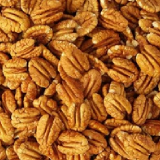
Sugar and butter are generous; they can make a mediocre pecan taste decent. But start with a fresh, plump, properly harvested pecan half, and the glaze becomes something transcendent. The natural oils in a fresh pecan interact with the butter during roasting, creating a depth of flavor that no amount of sugar can manufacture.
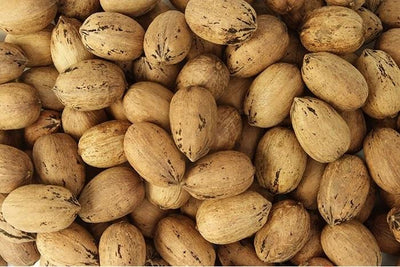
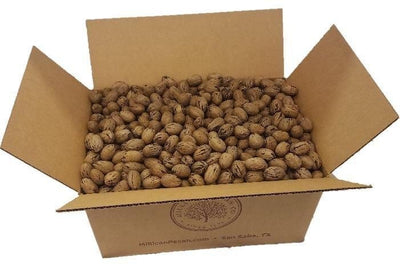
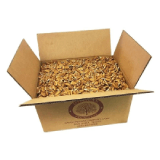
At Millican Pecan, our pecans are grown along the San Saba River in Texas, a region recognized as the Pecan Capital of the World. We hand-sort every batch for size, freshness, and quality before they ship. When you glaze a Millican pecan, you're starting with the best possible foundation.
Stale pecans, by contrast, turn bitter when exposed to high heat and absorb glaze unevenly. If your glazed pecans have ever tasted flat or slightly rancid, the pecan was the problem — not your recipe.
The Two Methods for Glazing Pecans
Every glazed pecan recipe uses one of two approaches. Both work well, they just suit different situations.
Method 1: Oven-Glazed Pecans (Best for Large Batches)
The oven method is the most reliable for making a full pound of homemade glazed pecans. It's mostly hands-off, produces even results, and is easy to scale up for gifting or holiday entertaining.
Base Ingredients (works with all 5 glazes below):
- 1 lb (4 cups) Millican Pecan halves
- Glaze of your choice (see below)
Instructions:
- Preheat the oven to 300°F. Line a large rimmed baking sheet with parchment paper. Never use foil alone — the glaze will stick and tear.
- Make your glaze in a large bowl or small saucepan, depending on the recipe. Taste it before adding the pecans — you want it well-seasoned and balanced.
- Toss the pecans in the glaze until every half is completely and evenly coated. Take your time here.
- Spread in a single layer on your prepared baking sheet. Crowding is the enemy of a good glaze — it causes steaming and uneven coating. Use two pans if needed.
- Bake for 20–25 minutes, stirring once at the halfway mark to prevent the edges from over-browning before the center has set.
- Cool completely on the pan before touching them. The glaze is liquid when hot and firms as it cools. This takes 20–30 minutes. Don't rush it.
Yield: ~12–16 servings | Total time: ~55 minutes including cooling
 Method 2: Stovetop Glazed Pecans (Best for Small Batches, Faster)
The stovetop method delivers glazed pecans in under 15 minutes. It's ideal for a quick salad topping, a last-minute snack, or when you only want to glaze a cup or two.
Instructions:
- Make the glaze in a medium skillet over medium heat: combine sugar, butter, and any liquid ingredients. Stir until bubbling and smooth, about 1–2 minutes.
- Add pecans and stir continuously until every pecan is coated and the glaze thickens and clings, about 2–3 minutes. You'll see the glaze go from wet and glossy to a drier, more set coating that wraps each pecan.
- Watch closely. The window between perfectly glazed and burnt is narrow on the stovetop. If the glaze starts to look grainy before all pecans are coated, add a teaspoon of water and keep stirring to re-dissolve the sugar.
- Transfer immediately to a parchment-lined tray. Spread flat and cool completely — at least 10 minutes — before serving or storing. Break apart any clusters once fully hardened.
5 Glazes for Glazed Pecans
Glaze 1: Classic Butter Pecan Glaze
The richest, most traditional option. This butter pecan glaze is what most people picture when they think of glazed pecans: deep, caramel-forward, buttery, and just sweet enough.
Ingredients:
- 3 tablespoons unsalted butter, melted
- ½ cup light brown sugar, packed
- 2 tablespoons maple syrup (real maple, not flavored)
- 1 tablespoon honey
- 1 teaspoon kosher salt
- ½ teaspoon vanilla extract
Method: Whisk all ingredients together until smooth. Toss with pecans and bake at 300°F for 20–25 minutes, stirring once halfway.
Why it works: The combination of brown sugar, maple syrup, and honey creates a complex caramel depth that straight white sugar can't achieve. The butter carries it all and creates that signature gloss. This is the glaze to start with if you've never made glazed pecans before.
Glaze 2: Cinnamon Sugar Glaze (Classic Candied Style)
Lighter than the butter glaze, with a crispier coating thanks to egg white. This is the style most associated with homemade glazed pecans for the holidays.
Ingredients:
- 1 egg white
- 1 teaspoon water
- ½ teaspoon vanilla extract
- ½ cup granulated sugar
- ½ cup light brown sugar
- 1 tablespoon ground cinnamon
- 1 teaspoon kosher salt
Method: Beat egg white, water, and vanilla until frothy (not stiff). Toss pecans in egg white mixture. Combine sugars, cinnamon, and salt; pour over pecans and toss until evenly coated. Bake at 300°F for 40–45 minutes, stirring every 15 minutes.
Why it works: The egg white creates a lacquered, glass-like shell that's crunchier than a pure sugar glaze. The longer bake time at low heat sets the coating without burning it. This glaze has the longest shelf life of the five.

Glaze 3: Maple Butter Glaze
Cleaner and more sophisticated than the classic. Just four ingredients, with real maple syrup doing most of the work. This is the pecan glaze for people who want deep flavor without fuss.
Ingredients:
- 2 tablespoons unsalted butter, melted
- 3 tablespoons real maple syrup
- 2 tablespoons dark brown sugar
- ¾ teaspoon kosher salt
Method: Whisk together, toss with pecans, bake at 300°F for 18–22 minutes stirring once. Use dark brown sugar for more molasses depth.
Why it works: Maple syrup has a lower melting point than refined sugar, so it sets quickly into a thin, tight glaze rather than a thick candy shell. The result is elegant and not cloying, perfect for salads and cheese boards where you don't want the pecan to dominate.
Glaze 4: Sweet Heat Glaze (Brown Sugar & Cayenne)
The one that generates the most requests. Sweet upfront, with a slow-building heat that keeps people reaching back in. The most crowd-pleasing of all five glazes.
Ingredients:
- 3 tablespoons unsalted butter, melted
- ½ cup brown sugar
- 1 tablespoon maple syrup
- 1 teaspoon ground cinnamon
- ¾ teaspoon cayenne pepper (reduce to ½ tsp for milder heat)
- ½ teaspoon smoked paprika
- 1 teaspoon kosher salt
Method: Whisk all ingredients. Toss with pecans and bake at 300°F for 20–25 minutes, stirring once.
Why it works: Smoked paprika adds a subtle earthiness that bridges the sweet and the heat. The cayenne doesn't announce itself immediately — it arrives after the sweetness, which is what makes these so addictive. People who claim they don't like spicy food eat these by the handful.
Glaze 5: Orange Zest & Honey Glaze
Bright, fragrant, and unexpected. This glaze is particularly stunning on a cheese board or holiday gift tray where you want something that looks and tastes a little special.
Ingredients:
- 2 tablespoons unsalted butter, melted
- 3 tablespoons honey
- 2 tablespoons brown sugar
- Zest of 1 large orange (add half before baking, half after)
- ½ teaspoon ground cinnamon
- ¼ teaspoon ground ginger
- ¾ teaspoon kosher salt
Method: Whisk butter, honey, sugar, half the zest, cinnamon, ginger, and salt. Toss with pecans and bake at 300°F for 20 minutes, stirring once. Add remaining orange zest immediately after removing from the oven.
Why it works: Adding half the zest after baking preserves its bright, fresh citrus aroma — heat destroys volatile citrus oils. The ginger adds warmth without heat. This glaze makes the kitchen smell extraordinary.
Glaze for Pecans: Quick Comparison
|
Glaze |
Flavor Profile |
Best Use |
Difficulty |
|
Classic Butter Pecan |
Rich, caramel, buttery |
Snacking, gifting |
Easy |
|
Cinnamon Sugar |
Sweet, crispy, warm |
Holidays, gifting |
Easy |
|
Maple Butter |
Clean, deep, sophisticated |
Salads, cheese boards |
Easy |
|
Sweet Heat |
Sweet then spicy |
Parties, entertaining |
Easy |
|
Orange Zest & Honey |
Bright, fragrant, elegant |
Gift trays, boards |
Easy |
How to Get the Perfect Glaze: Tips & Troubleshooting
Why are my glazed pecans sticky instead of crunchy?
The most common cause is underbaking or storing before fully cooled. Make sure pecans are completely cool before transferring to a container — the glaze continues to set as the temperature drops. If they're still sticky after an hour, spread on a baking sheet and return to a 300°F oven for 8–10 minutes.
Why did my glaze turn grainy?
Sugar crystallization happens when the glaze cools too quickly or is stirred too aggressively on the stovetop. If you notice graininess in a stovetop method, add a teaspoon or two of water and stir vigorously over medium heat until the sugar re-dissolves into a smooth glaze.
Why is my glaze burning on the edges?
Your oven likely has hot spots, or the pecans were spread too close to the edges of the pan. Stir once at the halfway mark and rotate the pan. If burning persists, drop the temperature to 275°F and extend the bake time by 5–8 minutes.
Can I use salted butter?
You can, but reduce or eliminate added salt. The sodium in salted butter varies by brand, making it harder to control the final flavor. Unsalted butter gives you full control.

Do I need to use parchment paper?
Yes, for glazed pecans specifically, parchment is non-negotiable. Sugar glazes bond aggressively to unlined pans. Silicone baking mats also work well. Foil alone will cause the glaze to stick and tear.
How to Use Glazed Pecans
Once you have a batch, here's every way to use them:
- On Salads: Glazed pecans are one of the best salad additions in existence. Particularly good with:
- Mixed greens, blue cheese, pear, and balsamic vinaigrette
- Arugula, goat cheese, dried cranberry, and apple
- Spinach, strawberry, and poppy seed dressing
- Any grain bowl needing sweetness and crunch
- On Cheese & Charcuterie Boards: Place a small pile alongside aged cheddar, brie, or gouda. The sweetness of the glaze plays beautifully against sharp or funky cheeses.
- As a Dessert Topping:
- Vanilla ice cream (the classic)
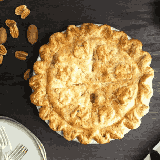
- Pumpkin pie
- Cheesecake
- Bread pudding
- Yogurt parfaits
- In Baked Goods:
- Fold into brownie batter
- Press into the top of banana bread before baking
- Add to oatmeal cookie dough
- Use as a crumb topping for coffee cake or muffins
- On Breakfast:
- Oatmeal or overnight oats
- Waffles or pancakes
- Acai bowls
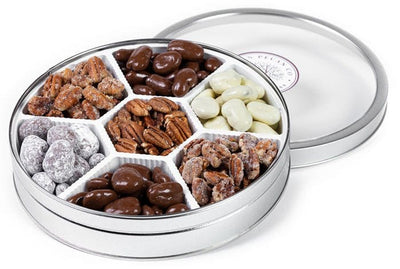
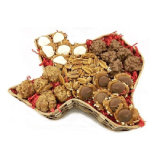
- As a Gift: A mason jar of homemade glazed pecans is one of the most universally well-received edible gifts. Pack in wide-mouth pint jars, seal tight, add a kraft label with the glaze name and date, and finish with a ribbon. Make batches up to two weeks ahead of giving.
Storage Guide for Glazed Pecans
|
Storage Method |
How Long |
|
Airtight container, room temperature |
Up to 3 months |
|
Refrigerator (airtight) |
Up to 6 months |
|
Freezer (airtight) |
Up to 12 months |
Key rules:
- Always cool completely before sealing! Trapped warmth creates condensation, which softens the glaze
- Glass jars outperform zip-top bags for long-term storage
- Keep away from humidity and direct sunlight
- To refresh softened pecans, re-toast at 300°F for 8 minutes and cool again
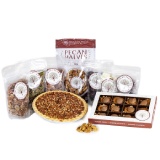
Want to Buy Glazed Pecans Instead of Making Them?
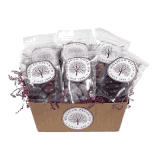
Not everyone has time to make a batch from scratch, and sometimes you want the best possible glazed pecan without the kitchen work. That's where Millican Pecan comes in.
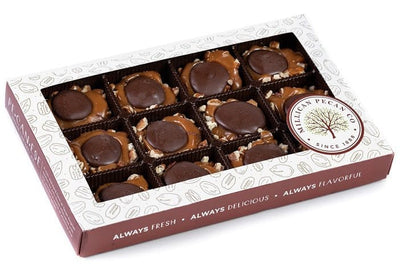
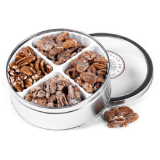
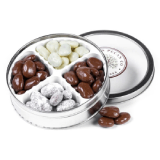
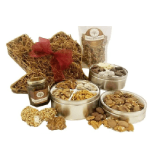
Our glazed pecans are made with fresh Texas pecans from our San Saba farm, real ingredients, and careful roasting. No artificial flavors, no cheap coatings, no shortcuts. Just a genuinely great glazed pecan that's ready to eat, share, or gift.
Frequently Asked Questions
1. What is the difference between glazed pecans and candied pecans?
The terms are often used interchangeably, but technically glazed pecans use a butter and sugar-based coating that sets into a smooth, shiny shell, while candied pecans traditionally use an egg white base that creates a lighter, crispier coating. Both are delicious — the difference is mostly texture and richness.
2. What is a pecan glaze?
A pecan glaze is the sweetened coating applied to pecans before roasting. It typically contains some combination of butter, sugar (brown sugar, maple syrup, or honey), salt, and spices. It can also refer to a liquid glaze poured over cakes or pastries that contains pecans or pecan flavor.
3. What is a butter pecan glaze?
A butter pecan glaze specifically uses melted butter as its fat base, combined with brown sugar and often maple syrup or honey. The butter creates a richer, more caramel-like result than oil-based or egg-white-based glazes. It's the most classic and widely loved style of glazed pecan.
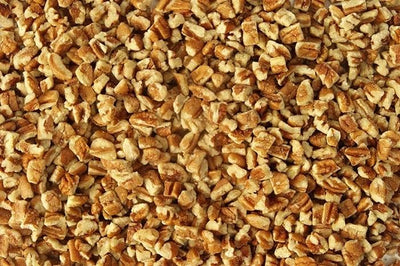
4. Can I glaze pecan pieces instead of halves?
Yes, but reduce your baking time by 4–5 minutes and watch closely. Pieces have more exposed surface area and will brown and set faster than halves. They're perfect for uses where presentation matters less, like salad toppings or baked good mix-ins.
5. How do I keep glazed pecans from sticking together?
Spread them in a single layer to cool and break apart any clusters while the glaze is still slightly pliable — about 5 minutes out of the oven. Once fully hardened they're much harder to separate without breaking the pecans.
6. Can I make glazed pecans ahead of time for the holidays?
Absolutely! This is one of their greatest practical advantages. Make batches up to two weeks ahead, store in airtight containers at room temperature, and they'll be fresh and crunchy when you need them. The glaze actually deepens in flavor slightly after the first day.
The Millican Pecan Difference
Every recipe in this guide starts with one decision: which pecan to use. We've said it before and we'll say it again — the glaze enhances what's already there. A great pecan glazes into something extraordinary. A mediocre pecan glazes into something mediocre with a sweet coating.
Millican Pecan has been farming in San Saba, Texas for generations. Our pecans come from trees grown along the San Saba River, hand-sorted for size and freshness, and shipped directly to you. When you start with a pecan this good, every glaze on this list becomes a little more special.

