















A pecan branch does far more than hold leaves and nuts. Branches form the framework of the entire tree, supporting growth, directing sunlight throughout the canopy, and carrying the weight of each year's crop.
So, whether you're managing a backyard tree or a commercial pecan orchard, understanding branch structure can help you maintain healthier trees and better harvests for years to come.
What this article covers:
- What Is A Pecan Branch?
- How Pecan Branches Grow
- Why Strong Branches Matter In Pecan Trees
- How To Identify Healthy Pecan Branches
- Common Problems That Affect Pecan Branches
- When And How To Prune Pecan Branches
- How Branch Structure Affects Pecan Production


What Is A Pecan Branch?
A pecan branch is one of the primary structural components of a pecan tree. Together, branches create the canopy that supports leaves, flowers, and eventually the developing nuts.
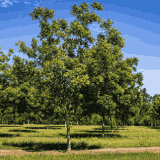
Large branches, often called scaffold branches, form the tree's permanent framework. These major limbs grow directly from the trunk and support smaller secondary branches that spread throughout the canopy.
Smaller branches produce much of the seasonal growth that carries leaves and pecans. As trees mature, this branching network becomes increasingly complex, creating the broad canopy that pecan trees are known for.
Every branch serves a purpose. Leaves growing along each branch capture sunlight, flowers emerge during spring, and nuts develop throughout the summer before harvest season arrives.

How Pecan Branches Grow
Pecan trees grow through annual cycles of new shoot development and lateral branching.
Each spring, dormant buds begin producing new growth. Young shoots extend outward, creating additional canopy space and increasing the tree's ability to capture sunlight.
Several factors influence branch development:
- Tree age
- Variety
- Water availability
- Soil quality
- Sunlight exposure
Young trees focus heavily on structural growth. During these early years, branches extend rapidly as the tree establishes its framework.
Mature trees continue producing new growth, but at a slower pace. Their energy shifts toward maintaining canopy structure and supporting annual nut production.
A healthy pecan leaf canopy helps fuel this growth by producing the energy needed for new branch development each season.
Why Strong Branches Matter In Pecan Trees
Strong branches play a critical role in long-term tree health and productivity.
Pecan trees can produce remarkably heavy crops. During productive years, branches may support hundreds or even thousands of nuts. Without a strong branch structure, limbs become more vulnerable to breakage under these loads.
Healthy branching also improves:
- Sunlight distribution
- Air circulation
- Disease prevention
- Nut development
Proper canopy structure allows sunlight to reach deeper portions of the tree. Better light penetration supports stronger foliage and improved nut quality throughout the canopy.
Good airflow helps reduce moisture buildup, which can contribute to fungal diseases and other health issues.
Over time, well-structured branches contribute directly to the productivity and longevity of a successful pecan orchard.

How To Identify Healthy Pecan Branches
The bark should appear intact and free from large cracks, wounds, or areas of decay. Young branches often display smoother bark, while mature limbs develop more textured surfaces.
Color can also provide clues. Healthy branches generally maintain a uniform appearance without extensive discoloration or dieback.
Look for:
- Active bud development
- Consistent bark texture
- New shoot growth
- Healthy leaf production
Natural branching patterns should appear balanced and well distributed throughout the canopy.
Trees with strong branch development often display vigorous annual growth and dense foliage, both of which support future pecan production.
Common Problems That Affect Pecan Branches
Keep an eye out for these common pecan leaf and branch issues:
- Storm damage: Strong winds, ice storms, and severe weather can damage branches of all sizes. Large limbs may split or break entirely during major storms, particularly when carrying a heavy crop.
- Branch breakage from heavy nut loads: Pecan trees naturally experience years of especially large production. During these heavy crop years, branches can become overloaded and fail under the weight of developing nuts.
- Disease and decay: Fungal infections and wood decay can weaken structural integrity. Over time, affected branches may become brittle, hollow, or more susceptible to breakage.
- Insect damage: Certain insects tunnel into branches or feed on wood tissue. Repeated infestations can weaken growth and reduce overall tree vigor.
- Deadwood formation: Dead branches naturally develop as trees age.While some deadwood is normal, excessive dieback may indicate larger health problems. Warning signs include missing leaves, cracked bark and soft wood.

When And How To Prune Pecan Branches
Pruning plays an important role throughout the life of a pecan tree.
Pruning Young Trees
Young trees benefit from structural pruning that encourages strong scaffold branch development. Proper training during the early years reduces future problems and creates a stronger framework.
Pruning Mature Trees
Mature trees typically require less aggressive pruning. Most work focuses on improving airflow, removing damaged wood, and maintaining canopy balance.
Removing Damaged Limbs
Broken or diseased branches should be removed promptly to prevent further damage and reduce disease risks.
Avoiding Common Pruning Mistakes
Over-pruning can stress trees and reduce production. Removing too much foliage at once limits the tree's ability to generate energy through photosynthesis. Most pruning occurs during winter dormancy when leaves have fallen, and branch structure is easier to evaluate.
Common tools include:
- Hand pruners
- Loppers
- Pole saws
- Chainsaws
Safety remains essential, especially when working around large mature trees.
How Branch Structure Affects Pecan Production
Branch structure directly influences nut production. A balanced canopy distributes sunlight more evenly, helping leaves throughout the tree produce energy efficiently. Good branch spacing supports pollination by improving airflow during the flowering season.
Healthy branch development contributes to:
- Better light distribution
- Improved nut quality
- Higher yields
- Stronger tree health
Commercial growers often make pruning and management decisions specifically to improve canopy performance and maximize production.
At Millican Pecan, careful orchard management helps support the production of premium fresh pecans, pecan halves, and Texas pecans. Healthy branches remain an essential part of that process.
Conclusion
A pecan branch serves as far more than a supporting limb. Branches shape the canopy, support annual crops, and influence the long-term health of the entire tree.
Regular monitoring helps identify damage, disease, and structural concerns before they become major problems. Proper pruning, healthy growth habits, and careful maintenance all contribute to stronger trees.
At Millican Pecan, we've spent generations caring for pecan trees from root to canopy. Healthy branches support healthy leaves, healthy trees, and ultimately the exceptional harvests that become our pecan gifts, orchard fresh pecans, and family traditions.
With proper care, a well-managed pecan tree can continue producing for decades, sometimes even centuries.
Read more about pecans: