








If you've ever wondered about pecan origin, the answer begins in North America. Pecans originated in the river valleys of the southern United States and northern Mexico, where wild pecan trees grew naturally for thousands of years before commercial orchards existed.
Long before anyone baked a pecan pie or shipped holiday gift tins across the country, Native American communities harvested pecans as an important food source.
Today, pecans remain one of the few major commercial nuts native to North America. Their story stretches from ancient riverbanks and tribal trade routes to modern orchards that continue a tradition generations in the making.
What this article covers:
- Where Do Pecans Originally Come From?
- The Native American History Of Pecans
- What Does The Word Pecan Mean?
- When Did Europeans Discover Pecans?
- How Pecans Became A Commercial Crop
- Where Are Pecans Grown Today?
- Why Pecans Are Considered An American Nut
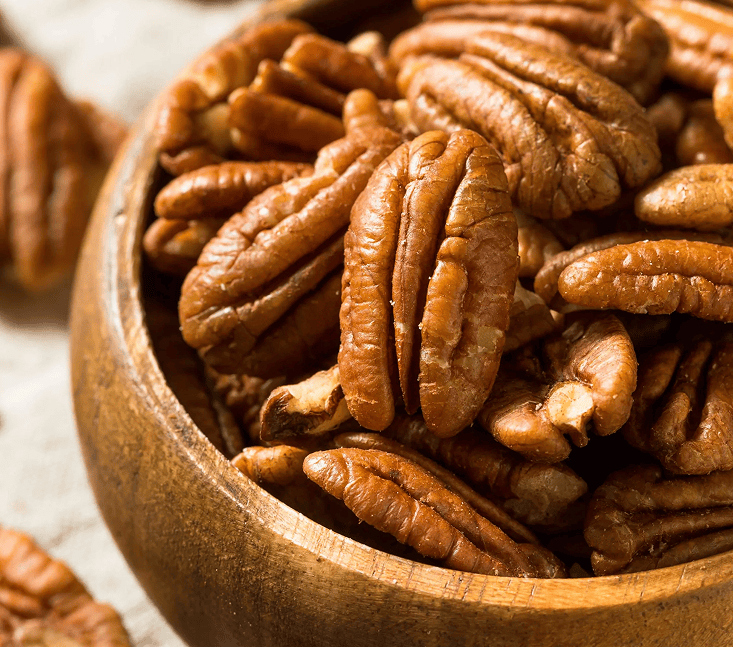


Where Do Pecans Originally Come From?
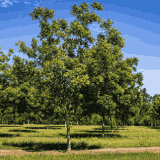
The pecan tree (Carya illinoinensis) is native to a broad region centered around the Mississippi River basin and extending across much of the South. Wild pecan forests once thrived throughout present-day Texas, Louisiana, Oklahoma, Arkansas, Mississippi, and portions of northern Mexico.
Unlike crops introduced from Europe or Asia, pecans evolved naturally in North American soil. For centuries, these towering trees lined fertile floodplains where rivers deposited nutrient-rich sediment year after year.
River valleys provided ideal growing conditions because pecan trees require:
- Deep, fertile soil
- Consistent moisture
- Long growing seasons
- Warm temperatures
The Mississippi River system and its tributaries created exactly the environment pecan trees needed to flourish. Some wild trees grew to remarkable sizes and produced abundant crops long before organized agriculture reached the region.
Even today, many of the most productive pecan-growing regions remain closely connected to major waterways.

The Native American History Of Pecans
Long before European settlers arrived, Native American tribes recognized the value of pecans. Archaeological evidence suggests people harvested and consumed pecans for thousands of years across the southern United States.
Many tribes relied on pecans as a dependable source of nutrition because the nuts stored well and provided concentrated energy. During years when other food sources became scarce, pecans helped sustain communities through changing seasons.
Tribes across the South gathered pecans during autumn harvests and transported them along established trade networks. The nuts became an important commodity exchanged between communities throughout the region.
Native Americans used pecans in several ways:
- Eaten fresh after harvest
- Ground into flour or meal
- Mixed into traditional dishes
- Processed into beverages
- Stored for winter consumption
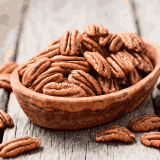
The nutritional value of pecans made them especially important. Modern research continues to recognize pecans as a "Super Nut," naturally containing around 20 vitamins and minerals along with healthy fats and plant-based nutrients.
Because wild pecan trees produced reliable harvests and required no cultivation, pecans became one of North America's most valuable native foods.
What Does The Word Pecan Mean?
The word "pecan" traces its roots to an Algonquian language spoken by Native American peoples.
Early forms of the word referred broadly to nuts that required a stone or heavy tool to crack. Historians believe variations such as "pacane," "pakan," and similar spellings appeared as European explorers attempted to record Native American terms.
As French and Spanish settlers interacted with indigenous communities, the word gradually evolved into the spelling we recognize today.
Pronunciation has sparked friendly debates for generations. Depending on where you grew up, you might say "pee-can," "puh-kahn," or another regional variation. Across the South, families often hold strong opinions about the correct pronunciation.
No matter how you say it, the word itself reflects the deep Native American roots of the pecan's story.

When Did Europeans Discover Pecans?
European awareness of pecans began during the 1500s when Spanish explorers traveled through parts of present-day Texas and Mexico.
These explorers encountered Native American communities already harvesting and using pecans extensively. Early written records described large native trees bearing rich, flavorful nuts unlike anything commonly found in Europe.
Spanish expeditions documented pecans as they explored the Gulf Coast and interior regions of North America. The nut's flavor, nutritional value, and abundance quickly attracted attention.
By the seventeenth century, reports of pecans had spread more widely among European settlers and naturalists. Samples eventually traveled across the Atlantic, introducing Europeans to a uniquely American nut.
Despite growing international interest, pecans remained primarily a wild-harvested food for many years. Large-scale cultivation would not develop until much later.
How Pecans Became A Commercial Crop
For much of their history, people gathered pecans from wild trees. Families collected nuts from river bottoms and native groves each fall, often returning to the same productive trees year after year.
Commercial production changed dramatically during the nineteenth century.
One breakthrough came through grafting techniques. Growers discovered they could reproduce desirable varieties by attaching cuttings from exceptional trees onto established root systems. This process allowed orchards to produce more predictable crops with consistent quality.
As knowledge spread, commercial orchards began appearing throughout Texas and Louisiana. The modern pecan orchard traces its roots to these early innovations.
One of the most influential figures in pecan history was E.E. Risien. In San Saba, Texas, he established what is recognized as the oldest commercial pecan orchard in the United States.
That orchard still represents an important chapter in American agricultural history.
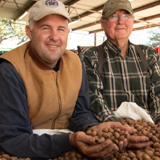
At Millican Pecan, our roots trace directly to that legacy. Our family has operated in San Saba, Texas, the "Pecan Capital of the World," since 1888. Over generations, we have continued the tradition of growing, harvesting, shelling, crafting, packaging, and shipping fresh pecans directly from our orchards.
The growth of commercial orchards transformed pecans from a regional wild food into a nationally recognized agricultural crop.
Throughout the twentieth century, production expanded into Georgia, New Mexico, and additional southern states. Improved cultivation methods, irrigation systems, and orchard management helped meet growing consumer demand.
Today, modern pecan producers continue refining techniques while preserving traditions that stretch back generations. Healthy trees depend on strong growth from every pecan branch and a thriving canopy of leaves that support annual nut production.

Where Are Pecans Grown Today?
Pecans remain closely associated with the American South, although production now spans multiple regions.
The leading pecan-producing states include:
- Georgia
- Texas
- New Mexico
- Oklahoma
- Arizona
Georgia often leads national production volume, while Texas remains deeply connected to the crop's history and cultural identity.
Mexico also plays a major role in global pecan production. Northern Mexican growing regions share many of the same environmental conditions that support pecan orchards in Texas and the southwestern United States.
Demand for pecans continues to grow worldwide as consumers seek nutritious ingredients and distinctive flavors. Chefs, bakers, and home cooks increasingly incorporate pecans into both traditional and contemporary recipes.
Whether folded into cookies, sprinkled over salads, or featured in elegant desserts, pecans have earned a place on tables around the world.
Many people seeking orchard-fresh quality look for premium products such as fresh pecans, Texas pecans, and specialty selections crafted in small batches.
Why Pecans Are Considered An American Nut
Few foods carry such a strong connection to American history and culture.
Unlike almonds, pistachios, walnuts, or cashews, pecans originated right here in North America. Understanding pecans' origin helps explain why the nut remains so closely tied to Southern agriculture and cuisine.
Pecans occupy a special place in Southern food culture.
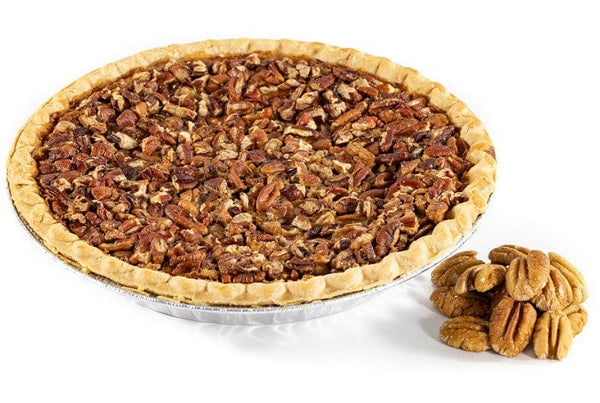
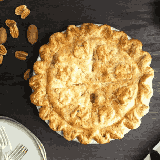
Families pass down pecan recipes through generations. Holiday tables often feature pecan pies, pralines, candies, and baked goods. Church gatherings, family reunions, and seasonal celebrations frequently include dishes built around the nut's rich flavor.
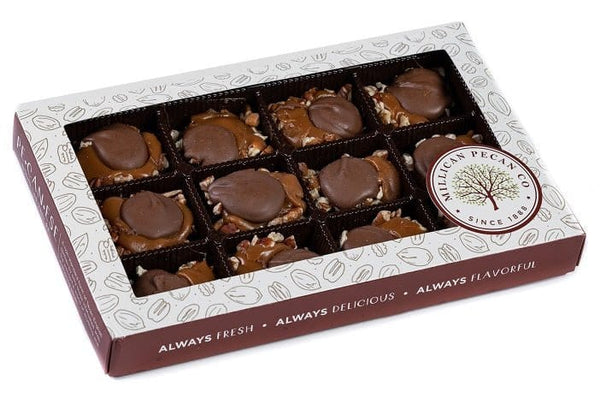
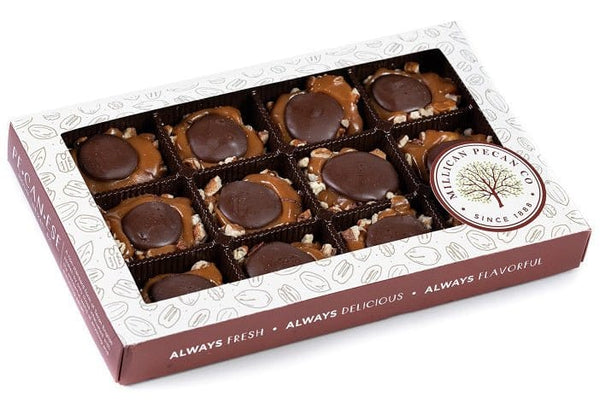
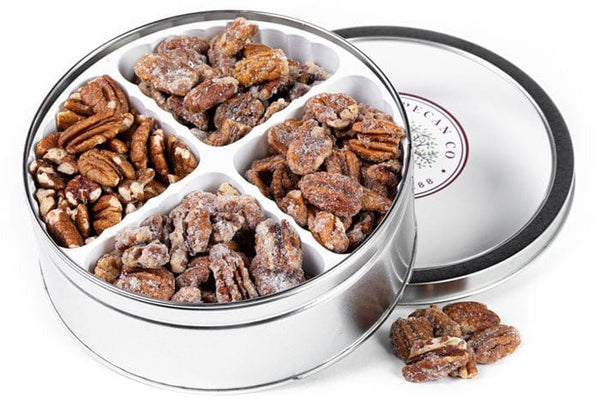
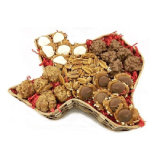
Many shoppers continue these traditions through gifts such as pecan gifts, handcrafted treats, and specialty products made from orchard-grown pecans.
Texas has embraced the pecan so completely that the pecan tree serves as the official state tree. Across the state, pecans represent heritage, hospitality, and agricultural pride. The distinctive pecan leaf has become a familiar symbol throughout many growing regions.
Historically, pecans attracted admirers far beyond American borders. Customers of our San Saba pecans included notable figures such as Queen Victoria, Alfred Lord Tennyson, and C.W. Post.
That enduring appeal reflects something timeless about the pecan itself. Its flavor connects people to family traditions, regional history, and the land where the trees first grew.
Conclusion
Pecans originated in North America's river valleys, where Native American communities harvested them long before European exploration began. They provided nourishment, supported trade networks, and became one of the continent's most valuable native foods.
Over centuries, pecans moved from wild groves to commercial orchards, from regional harvests to international markets. Yet their connection to the American South remains as strong as ever.
At Millican Pecan, generations of orchard stewardship reflect the same commitment that helped establish America's pecan industry more than a century ago.
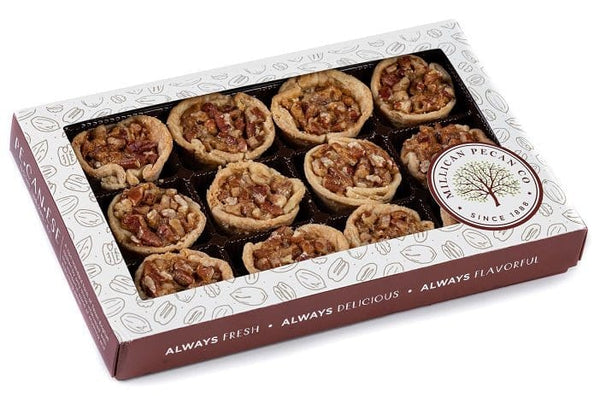
What began in the orchards of San Saba continues today through every batch of fresh pecans, every homemade-style pecan pies, and every carefully packed box of pecan gifts we send from Texas.
We hope you'll pull up a chair, share a few pecans with someone you love, and become part of that story yourself!
Read more about pecans: