












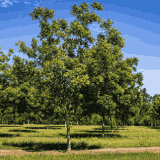


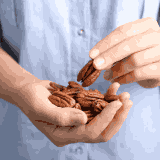


A pecan orchard is much more than a collection of trees. It's a long-term investment in land, agriculture, and tradition that can take decades to reach its full potential.
Across the South, pecan orchards supply the nuts that fill holiday pies, family recipes, gourmet gifts, and kitchen pantries while preserving a uniquely American agricultural heritage.
From the oldest commercial orchards in Texas to newer plantings across the Southeast, every pecan orchard relies on careful planning, seasonal care, and patience. The trees may take years to mature, but the results can benefit generations.
What this article covers:
- What Is A Pecan Orchard?
- Where Are Pecan Orchards Located?
- How Are Pecan Orchards Established?
- How Long Does It Take A Pecan Orchard To Produce Nuts?
- What Happens Throughout The Year In A Pecan Orchard?
- How Are Pecans Harvested In Commercial Orchards?
- How Long Do Pecan Trees Live?
- Challenges Pecan Orchard Owners Face
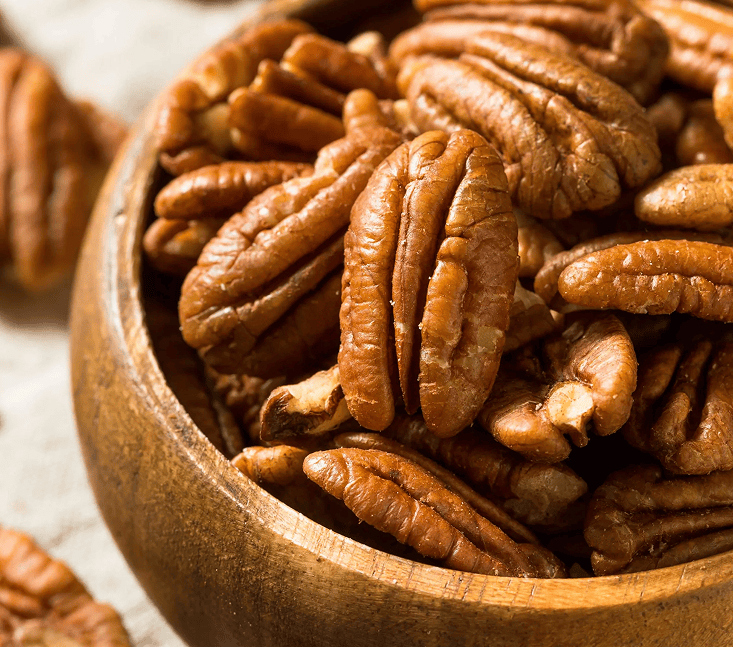


What Is A Pecan Orchard?
A pecan orchard is a managed planting of pecan trees grown specifically for nut production. Unlike wild groves or native forests, orchards are carefully designed to maximize tree health and harvest efficiency.
Commercial orchards often contain hundreds or even thousands of trees arranged in organized rows. Growers carefully monitor irrigation, fertilization, pollination, and pest management to ensure consistent harvests year after year.
Orchards play a critical role in the pecan industry. They provide the high-quality nuts used in everything from baked goods and candies to premium gift assortments and specialty foods.
One major difference between a pecan orchard and a native pecan forest is management. Native forests grow naturally along rivers and floodplains, while orchards are intentionally planted and maintained for production.
Every pecan branch, every irrigation line, and every harvest schedule contributes to the orchard's long-term success.
At Millican Pecan, our history is deeply tied to orchard agriculture. Our family has operated in San Saba, Texas, since 1888, and our roots trace back to what is presumed to be the oldest commercial pecan orchard in the United States, established by E.E. Risien.

Where Are Pecan Orchards Located?
Pecan orchards thrive throughout the southern United States, where long growing seasons and warm temperatures support healthy tree development.
The leading pecan-producing states include:
- Texas
- Georgia
- New Mexico
- Oklahoma
- Louisiana
These regions provide the climate conditions pecan trees need to flourish. Warm summers encourage nut development, while mild winters provide the dormancy period required for healthy annual growth.
Texas remains one of the most important pecan-producing states in the country. San Saba, known as the "Pecan Capital of the World", has become synonymous with premium pecan production.
Georgia has led the nation in production volume for many years, while New Mexico's irrigated orchards consistently produce high-quality crops. Oklahoma and Louisiana also maintain strong ties to pecan cultivation and regional agricultural traditions.
Successful orchards require more than warm weather. Deep, well-drained soil, reliable water access, and adequate spacing all influence long-term productivity. Healthy root systems, vigorous growth, and strong pecan leaf development help trees produce larger and more consistent crops.
How Are Pecan Orchards Established?
Establishing a pecan orchard begins with choosing the right location. Growers look for sites with fertile soil, good drainage, and access to dependable irrigation. Because pecan trees can remain productive for generations, orchard planning requires a long-term perspective.
Tree spacing represents one of the most important decisions. Young trees may appear small when planted, but mature pecans can develop massive canopies.
Proper spacing allows sunlight to reach the entire tree while providing room for equipment access and future growth.
Modern orchard design often includes:
- Irrigation systems
- Access roads
- Pollinator varieties
- Harvest lanes
Poor planning can reduce productivity for decades. Smart planning creates an orchard that supports efficient management and strong yields throughout its lifespan.
Many successful growers also select grafted trees rather than seedlings. Grafted trees provide more predictable production, nut quality, and growth characteristics.

How Long Does It Take A Pecan Orchard To Produce Nuts?
Seedling trees may take 10 to 15 years before producing significant crops. Grafted trees generally begin bearing nuts much sooner, often within six to eight years after planting.
Even after production begins, yields increase gradually as trees mature. Many orchards do not reach peak production until they are 15 to 25 years old.
Several factors influence productivity:
- Tree variety
- Soil quality
- Water availability
- Climate conditions
The weather also plays an important role. Late freezes, drought conditions, and severe storms can affect annual yields regardless of orchard age.
The long timeline helps explain why many pecan orchards become family legacies. One generation plants the trees, while future generations enjoy the full benefits of their work.
What Happens Throughout The Year In A Pecan Orchard?
Here's what happens with pecans across the seasons.
Spring: Pollination And New Growth
Spring brings new growth as trees emerge from dormancy. Fresh leaves appear, flower clusters develop, and pollination begins.
Pecans rely primarily on wind pollination. Orchard managers carefully select compatible varieties to improve pollination success and maximize nut production.
Summer: Nut Development
During summer, developing nuts begin filling and growing. Trees require significant water during this stage. Proper irrigation supports healthy nut sizing and overall tree health. Orchard managers monitor growth closely while maintaining soil moisture levels.
Fall: Harvest Season
Fall marks the most exciting season in the orchard. As husks split open, mature pecans begin dropping from the trees. Harvest crews prepare equipment and carefully monitor crop readiness. This season ultimately determines the success of the year's work.

Winter: Dormancy And Orchard Maintenance
Winter provides an opportunity for maintenance and planning. Growers prune damaged limbs, evaluate orchard performance, maintain equipment, and prepare for the next growing season. A healthy pecan branch structure helps support future production and reduces storm damage risks.
How Are Pecans Harvested In Commercial Orchards?
Modern harvesting combines technology with generations of agricultural knowledge. Most commercial orchards use mechanical tree shakers that grip the trunk and gently shake mature nuts loose. After the nuts fall, collection equipment sweeps and gathers them from the orchard floor.
Harvest typically includes several steps:
- Tree shaking
- Nut collection
- Cleaning
- Drying
- Sorting
- Packaging
After processing, pecans are prepared for consumers, bakeries, retailers, and food manufacturers.
At Millican Pecan, we oversee every stage of the process, from growing and harvesting to shelling and packaging. This hands-on approach helps ensure that products like fresh pecans, pecan halves, and bulk pecans arrive with exceptional freshness and flavor.
How Long Do Pecan Trees Live?
Pecan trees rank among the longest-lived nut-producing trees in North America. Many trees remain productive for 75 to 100 years or more. Some historic specimens have survived for several centuries.
Mature trees often become more productive as they age, provided growers maintain proper care and management. This longevity contributes to the multi-generational nature of the pecan industry. Many orchard owners continue managing trees planted by parents, grandparents, or even great-grandparents.
The oldest orchards serve as living reminders of agricultural traditions that stretch back more than a century.

Challenges Pecan Orchard Owners Face
Growing pecans comes with unique challenges. Water management remains one of the most important concerns. Pecan trees require substantial moisture throughout the growing season. The weather also creates risks. Drought, hurricanes, hailstorms, and late spring freezes can affect production.
Additional challenges include:
- Alternate bearing cycles
- Insect pressure
- Disease management
- Labor requirements
Pecan trees naturally experience fluctuations in production from year to year. Orchard managers work carefully to reduce these swings while maintaining tree health. Because orchards take years to mature, growers must think decades ahead when making decisions.
Conclusion
A pecan orchard represents years of planning, careful management, and long-term commitment. From site selection and pollination to harvest and processing, every stage plays a role in producing quality pecans.
Growing pecans requires patience. Trees may take years to reach meaningful production, but well-managed orchards can remain productive for generations.
At Millican Pecan, we've spent more than a century caring for orchards in the heart of Texas pecan country. That dedication continues in every harvest, every batch of Texas pecans, and every box of thoughtfully curated pecan gifts that leaves our orchards.
From the first spring buds to the final fall harvest, producing exceptional pecans remains a labor of patience, pride, and family tradition.
Read more about pecans: