









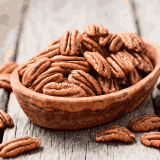
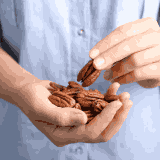

Are pecans good for weight loss? They can be, when enjoyed in the right portions. Pecans are nutrient-dense and naturally rich in healthy fats, protein, and fiber – the combination that helps you feel satisfied longer and avoid the kind of snacking that can derail your goals.
Here in San Saba, Texas, where our family has grown pecans since 1888, we’ve always known a handful could keep you going through a long day in the orchard.
Modern research now backs up what generations of pecan lovers have experienced: these native North American “Super Nuts” can play a valuable role in a balanced eating plan.
Are Pecans Good For Weight Loss?
Weight loss comes down to creating a calorie deficit (burning more energy than you consume), but it’s much easier to do when your meals keep you full and satisfied. Pecans are calorie-dense, yet their nutrient profile makes them more filling than many snack foods of the same calorie count.
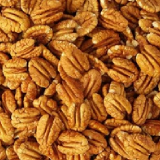
An ounce of fresh pecans (about 19 halves) provides:
-
18 grams of heart-healthy fats
-
3 grams of plant-based protein
-
3 grams of fiber
- More than 19 vitamins and minerals, including magnesium, thiamin, and zinc
Because they’re low in carbohydrates and high in slow-digesting nutrients, pecans can help steady your energy levels – reducing the spikes and crashes that often lead to overeating.

How Pecans Help You Feel Fuller
The key to weight-loss-friendly foods is satiety, or how long they keep you satisfied after eating. Pecans have several qualities that make them filling:
-
Healthy fats and satiety: The monounsaturated and polyunsaturated fats in pecans slow digestion and help trigger the body’s satiety signals. This means you’re less likely to reach for extra snacks between meals.
-
Plant-based protein: While pecans aren’t as high in protein as some other nuts, the 3 grams per ounce contribute to feelings of fullness and help preserve lean muscle mass when you’re reducing calories.
-
Fiber for steady energy: With 3 grams of dietary fiber per serving, pecans help slow the absorption of glucose into the bloodstream. This keeps your energy steady and reduces the urge to grab quick, high-carb snacks.
Our great-great-grandfather E.E. Risien didn’t know the terms “macronutrient balance” or “satiety index,” but he saw the effect firsthand: a handful of pecans in a rancher’s pocket could power a morning’s work without a rumbling stomach.
Do Pecans Make You Gain Weight?
Only the way any food does: by pushing you into a calorie surplus. Weight change ultimately comes down to calories in versus calories out, and no nut repeals that rule. If you add unlimited pecans on top of your current diet, you will gain weight. If you use a measured serving of pecans to replace chips, crackers, or a vending machine run, the research says you will likely end up eating less overall, not more.
The people who get in trouble with nuts are almost always eating them by the bag while watching TV, or eating the candied kind daily, which adds sugar on top of fat.
What the Research Shows
Despite their high calorie content, nut consumption is not consistently linked to weight gain, and in some cases, it’s associated with a lower body mass index (BMI).
Nut Eaters vs. Non-Nut Eaters
Large observational studies reveal that adults who regularly consume nuts, including pecans, tend to have lower body mass indexes (BMI) and smaller waist circumferences than non-nut eaters.
While these studies don’t prove cause and effect, they suggest that nuts can fit comfortably into a healthy weight management plan without leading to extra pounds.

Pecans and Appetite Regulation
While most nut studies group several varieties together, smaller trials have found that the specific fatty acid profile and flavor of pecans can enhance satiety even further.
Their mild sweetness and high monounsaturated fat content may delay hunger cues longer than some other nuts, making it easier to stick to a calorie target.
Energy Absorption
Another interesting finding: the body doesn’t absorb every calorie listed on the pecan nutrition label. Some of the fat is trapped in the nut’s fibrous cell walls and passes through the digestive tract without being metabolized.
Research using bomb calorimetry (a gold-standard method for measuring metabolizable energy) shows that several types of tree nuts yield fewer absorbed calories than nutrition labels indicate.
In controlled trials, walnuts delivered approximately 21% fewer calories. Similar reductions were observed in pistachios, almonds, and cashews, depending on how the nuts were processed. While direct data on pecans are limited, their properties suggest comparable effects.
So, are pecans good for you, and can they help with weight loss? Together, these findings show that pecans can be included in a weight-conscious eating plan without sabotaging progress, and may even make it easier to stick to healthy habits over time.
How to Eat Pecans for Weight Loss
Whether pecans are good for weight loss in your kitchen comes down to execution. Six rules cover it:
- Fix the portion first. One ounce, 19 halves, measured once so your eye learns what it looks like. Pre-portion into small containers on Sunday and the decision is already made all week.
- Swap, don't add. Pecans replace your current snack; they do not join it. Trading a 3pm pastry or bag of chips for pecans is where the win comes from.
- Pair with volume. Pecans plus an apple, or pecans on Greek yogurt, adds water, volume, and protein for very few extra calories and holds you until dinner.
- Front-load the crunch. Adding pecans to breakfast oatmeal or a lunch salad reduces afternoon grazing, which is where most diets quietly fail.
- Keep them raw or dry-roasted. Candied, praline, and honey-roasted pecans add sugar that cancels the blood-sugar benefit. Treat those as dessert.
- Buy fresh, store cold. Rancid pecans taste bitter and get abandoned in the pantry, taking your snack plan with them. Fresh pecans keep 9 months airtight in the fridge, 2+ years frozen.
Common Mistakes That Turn Pecans Fattening
- Eating from the bag instead of a portioned bowl
- Adding nuts on top of an unchanged diet and expecting loss
- Choosing sugared coatings for a daily habit
- Treating "healthy" as "unlimited," the mistake behind most nut-related weight gain

Are Pecans High in Calories?
Per ounce, yes: 196 calories, more than almonds (164) or pistachios (159). Judged only by the calorie column, pecans look like a poor diet food. But calories per ounce is the wrong lens for weight loss; what matters is how many calories it takes to stop being hungry.
 Here pecans have a quiet advantage: they are physically large for their weight. Roughly 19 to 20 pecan halves make one ounce, while the same calories buy you only about 6 Brazil nuts. A bowl of 20 pecan halves reads as a real snack to your brain and hands, which makes the portion feel generous instead of punishing.
Full breakdown in our guide to calories in pecans.
Potential Pitfalls to Watch Out For
While pecans can support weight loss, there are a few considerations to keep in mind:
-
Added sugars and salt: Candied or heavily salted pecans can add extra calories, sugar, and sodium that may work against your goals. Choose plain or trusted flavored pecans, or make your own at home so you can control the ingredients.
-
Overeating healthy foods: It’s easy to overeat calorie-dense foods, even healthy ones. Pay attention to portion sizes and enjoy pecans mindfully to prevent consuming more calories than you intend.
-
Balance with whole diet: Pecans should be part of a balanced eating plan rich in vegetables, fruits, whole grains, and lean proteins. No single food (even a “Super Nut”) will cause weight loss on its own.

Conclusion
So, yes, pecans can help with weight loss. When enjoyed in moderation, they can help you feel full, reduce snacking, and provide essential nutrients that make a reduced-calorie diet easier to stick to.
Their combination of healthy fats, protein, and fiber works in your favor, especially when they replace less nutritious options.
At Millican Pecan, we’ve been growing, harvesting, and crafting pecans in San Saba, Texas, since 1888. From our oldest commercial orchard in the United States to our small-batch kitchen, we’ve seen firsthand how versatile and satisfying these nuts can be.
Whether you snack on them raw or add them to salads, you’re choosing a food that’s as nourishing as it is delicious when you choose us.
Curious to learn more about pecans? Check out these articles:
Frequently Asked Questions
Are pecans good for weight loss?
Yes, in one-ounce portions. Their fat, fiber, and protein suppress hunger, regular nut eaters weigh less on average in large studies, and a share of nut calories is never absorbed.
How many pecans should I eat a day to lose weight?
One ounce, about 19 halves, ideally replacing a processed snack.
Can I eat pecans every day while dieting?
Yes. Daily one-ounce portions are exactly what the favorable research is based on, and daily consistency beats occasional restriction.
Are pecans keto?
Yes, among the best nuts for keto at roughly 1 net carb per ounce.
Are pecans good for diabetics trying to lose weight?
Generally yes: pecans barely move blood sugar and may support insulin sensitivity, which helps both goals at once.
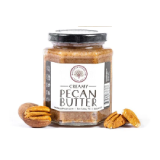
Is pecan butter as good for weight loss as whole pecans?
It is nutritionally similar but easier to overeat and loses the chewing effect, so whole pecans are the safer choice while dieting. Measure pecan butter by the tablespoon.


