













Inflammation is a protective state that is essential to healing but can also become detrimental if it becomes chronic. As more people are seeking food as a solution to their inflammation problems, pecans are being placed in the spotlight as a food that is more than just a tasty snack food or a food to use in pies, but also a food that can help combat low-grade chronic inflammation in the body.
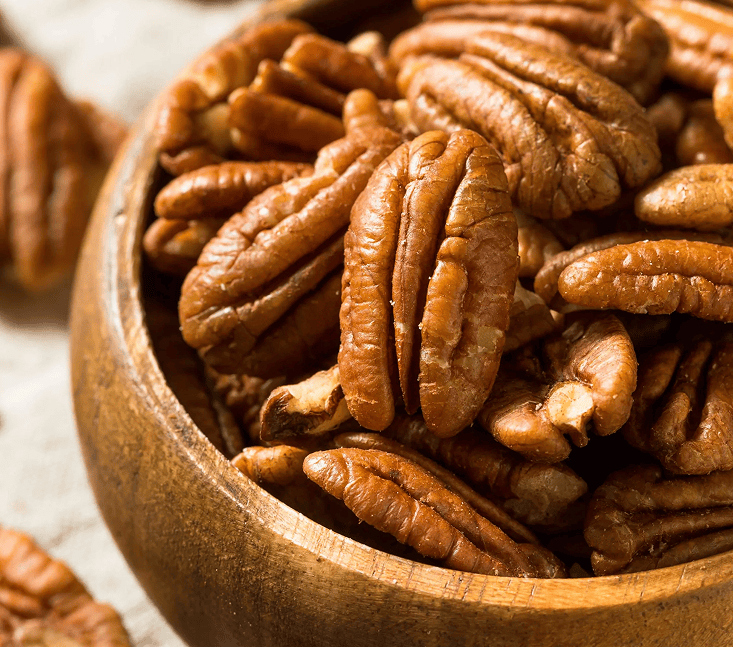


What Is Inflammation?
Inflammation can occur when our bodies react to an infection or injury by signaling our immune system’s response. Redness, heat, swelling, and pain are all possible signs of inflammation. Since inflammation is common among humans, it is important to know which foods we can eat to help prevent or manage it.
Inflammation is the body’s defense mechanism against disease and helps prevent us from getting sick. However, when inflammation becomes chronic, it can bring bad news. Chronic inflammation is linked to conditions such as unnecessary weight gain, metabolic disorders, and increased risk of chronic disease.
Lack of exercise and stress can contribute to chronic inflammation. In these cases, the immune system releases chemicals meant to fight off invaders such as bacteria and viruses—even when no foreign invaders are present. Anti‑inflammatory foods such as pecans can help reduce low‑grade chronic inflammation, which is a growing public health concern.
Are Pecans an Anti-Inflammatory Food?
Nuts are considered anti‑inflammatory foods because of the nutrients they contain. Nuts such as pecans, almonds, and hazelnuts are rich in vitamin E—an antioxidant with anti‑inflammatory properties. According to the Arthritis Foundation, nuts also contain alpha‑linolenic acid (ALA), an anti‑inflammatory omega‑3 fatty acid.
According to the Department of Nutrition at Loma Linda University, California, a 2011 study found that pecans significantly boosted antioxidant levels in the blood within about 24 hours after consumption. Antioxidants such as flavonoids and phenols reduce inflammation rates and may lower the risk of diseases such as type 2 diabetes, heart disease, arthritis, and allergies. Vitamin E in pecans also helps mitigate the effects of chronic inflammation, while magnesium contributes additional anti‑inflammatory effects.

These findings support the idea that pecans are good for inflammation. By increasing antioxidant capacity in the blood and providing anti‑inflammatory nutrients, pecans can help counteract low‑grade chronic inflammation that often goes unnoticed but contributes to long‑term health problems.
In short: pecans are not a magic cure, but they are a nutrient‑dense, anti‑inflammatory food that can support a healthier inflammatory balance when included as part of an overall balanced diet and lifestyle.
How Pecans Help Fight Inflammation
1. Antioxidants: Flavonoids, Phenols, and Vitamin E
Pecans are rich in antioxidants such as flavonoids and phenolic compounds, which help neutralize free radicals and reduce oxidative stress. This, in turn, lowers inflammation and may reduce the risk of chronic diseases like heart disease, type 2 diabetes, arthritis, and allergies.
Vitamin E, another powerful antioxidant found in pecans, has well‑documented anti‑inflammatory properties. It helps protect cell membranes from damage and mitigates the effects of chronic inflammation throughout the body.
2. Magnesium and Anti-Inflammatory Effects
Pecans contain magnesium, a mineral associated with reduced inflammatory markers in the body. Adequate magnesium intake has been linked to lower levels of C‑reactive protein (CRP), a key marker of inflammation.

3. Healthy Fats and ALA
Pecans provide healthy monounsaturated fats, including oleic acid, which support heart health and may help reduce inflammation. Nuts also contain alpha‑linolenic acid (ALA), a plant‑based omega‑3 fatty acid with anti‑inflammatory properties.
Other Health Benefits of Pecans Beyond Inflammation
Boosting the Immune System
Pecan nuts are a source of healthy fats and quality protein, both essential for a strong immune system. A one‑ounce serving of pecans (about 20 halves) provides around 2.6 g of protein and about 4 g of carbs, along with numerous vitamins and minerals. Riboflavin supports healthy cell growth and function, while vitamin A helps protect against common colds and flu.
The fiber in pecans helps clean the gastrointestinal system and supports regular bowel movements. Pecans are also a great source of manganese (one ounce provides about 63% of the recommended daily intake) and copper (about 12% per ounce), both of which play roles in immune function and antioxidant defense.
Weight Management and Satiety
Although foods high in fat are often associated with weight gain, this is not necessarily true for pecans. Several studies have shown that eating nuts does not promote weight gain. Pecans contain dietary fiber and healthy fats that increase satiety, helping you feel full longer and reducing the likelihood of overeating.
Including pecans in your diet can also help you replace unhealthy processed snacks with nutrient‑dense options, which supports both weight management and overall health.
Heart Health
Pecans should be considered an integral part of daily nutrition for heart health. They contain oleic acid, a monounsaturated fat that lowers the risk of LDL (“bad”) cholesterol oxidation while increasing HDL (“good”) cholesterol. This combination reduces the risk of heart disease and hypertension—two of the most common chronic health threats.

Brain Function
Pecans help lower oxidative stress in the brain. Niacin found in the nuts supports brain function, while manganese helps stabilize synaptic processes. Copper and thiamine help reduce radical damage to brain cells. Together, these nutrients support cognitive health and may help protect against neurodegenerative conditions.
How to Include Pecans in an Anti-Inflammatory Diet
These nutrient‑dense foods are a great choice of snacks as they are packed with protein and healthy fats. Nuts can also be added to salads, stir‑fries, made into pies, or eaten raw. There are countless recipes for nuts online, but here is a simple savory pecan dish:
Recipe: Charred Sesame Pecan Green Beans
Ingredients:
1 tablespoon plus 1 teaspoon soy sauce
2 teaspoons toasted sesame oil
2 teaspoons pure maple syrup
1 tablespoon vegetable oil (or any high‑heat oil you like)
12 ounces trimmed fresh green beans
1/2 cup pecans, chopped
Instructions:
1. In a small bowl, stir together the soy sauce, sesame oil, and maple syrup.
2. In a large microwave‑safe bowl, combine the fresh green beans and 1/4 cup of water. Cover with plastic wrap and microwave until the beans are just tender, about 5 minutes. Drain and pat dry with a paper towel.
3. In a large skillet, heat the vegetable oil over medium‑high heat until very hot (a drop of water should sizzle). Add the green beans and cook without stirring until charred on one side, about 3 minutes. Stir and continue cooking until charred all over, about 3 more minutes.
4. Remove the skillet from heat and add the sauce mixture and chopped pecans, tossing repeatedly to coat.
This recipe is a quick and easy way to integrate these high‑protein, nutrient‑rich foods into your diet.
Beyond savory dishes, pecans can be enjoyed raw, roasted, candied, or blended into smoothies, oatmeal, yogurt bowls, and baked goods. The key is to use them regularly in place of ultra‑processed snacks and refined carbohydrates.
Key Anti-Inflammatory Nutrients in Pecans
|
Nutrient |
Main Role |
Anti-Inflammatory Benefit |
|
Vitamin E |
Antioxidant, protects cell membranes |
Reduces oxidative stress and chronic inflammation |
|
Flavonoids & Phenols |
Plant antioxidants |
Lower inflammation markers, protect against chronic disease |
|
Magnesium |
Mineral involved in hundreds of reactions |
Associated with lower inflammatory markers (e.g., CRP) |
|
Healthy Fats (MUFA & ALA) |
Energy, cell structure, hormone production |
Support heart health and help modulate inflammatory pathways |
|
Manganese & Copper |
Cofactors for antioxidant enzymes |
Support antioxidant defenses and immune function |
FAQ
Are pecans officially classified as an anti-inflammatory food?
While there is no single official list that labels foods as “anti‑inflammatory,” research shows that pecans contain antioxidants, vitamin E, magnesium, and healthy fats that are associated with reduced inflammation. This makes them a strong candidate for inclusion in an anti‑inflammatory eating pattern.
How many pecans should I eat to get anti-inflammatory benefits?
Many studies on nuts use about 1 ounce per day (around 20 pecan halves). This amount provides a meaningful dose of healthy fats, fiber, and micronutrients without excessive calories. However, the ideal amount depends on your overall diet and energy needs.
Can pecans alone cure inflammation-related diseases?
No. Pecans can support a healthier inflammatory balance, but they are not a cure. Chronic inflammation is influenced by many factors, including diet, stress, sleep, physical activity, and genetics. Pecans work best as part of a broader anti‑inflammatory lifestyle.
Are roasted or candied pecans still anti-inflammatory?
Lightly roasted pecans can still retain most of their beneficial nutrients. However, heavily sugared or candied pecans may add refined sugar, which can promote inflammation if consumed in excess. For anti‑inflammatory purposes, choose raw, dry‑roasted, or lightly seasoned pecans with minimal added sugar.
Which foods should I avoid if I’m trying to reduce inflammation?
Highly processed foods, artificial trans fats, refined carbohydrates, and excessive alcohol can raise inflammation levels. Combining pecans and other whole foods with reduced intake of these pro‑inflammatory items is the most effective strategy.
Conclusion
Pecans are much more than a delicious ingredient in pies—they are a nutrient‑dense, anti‑inflammatory food that supports heart health, brain function, immune strength, and weight management. Thanks to their rich content of antioxidants, vitamin E, magnesium, and healthy fats, pecans can help reduce low‑grade chronic inflammation when eaten regularly as part of a balanced diet.
Inflammation can be both friend and foe, but by choosing foods like pecans and limiting pro‑inflammatory choices, you can tilt the balance toward better long‑term health.