





If you’ve ever stood in the baking aisle or snack aisle wondering about pecan vs walnut, you’re in good company.
Both are beautiful, heart-healthy tree nuts, but they bring different strengths to your table, from fat profile to flavor to the way they melt into a pie crust or crown a holiday salad.
Let’s walk through what sets them apart and how to choose the one that fits your needs today.


Quick Comparison: Pecans vs Walnuts at a Glance
Before we get into the details, here’s the quick overview.
|
Category |
Pecans |
Walnuts |
|
Flavor |
Sweet, buttery, mellow |
Earthy, bold, slightly bitter |
|
Texture |
Tender, rich, softer bite |
Firmer, more structured crunch |
|
Fat type |
More monounsaturated fats (MUFA) |
More polyunsaturated fats (PUFA), including omega-3 ALA |
|
Fiber |
Slightly higher |
Slightly lower |
|
Best for |
Desserts, candied snacks, gifting |
Savory dishes, omega-3 boost, hearty baking |
Nutrition Differences (Per 1 oz)
A fair comparison starts with the same serving size: about 1 ounce (28 grams), roughly a small handful.
Both nuts are nutrient-dense, naturally low in sugar, and full of plant compounds your body loves. The differences come down to emphasis.
Calories and Macros
Pecans are a bit more calorie-dense because they contain more total fat per ounce. Walnuts come in slightly lower on calories and slightly higher on protein.
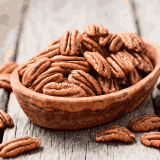
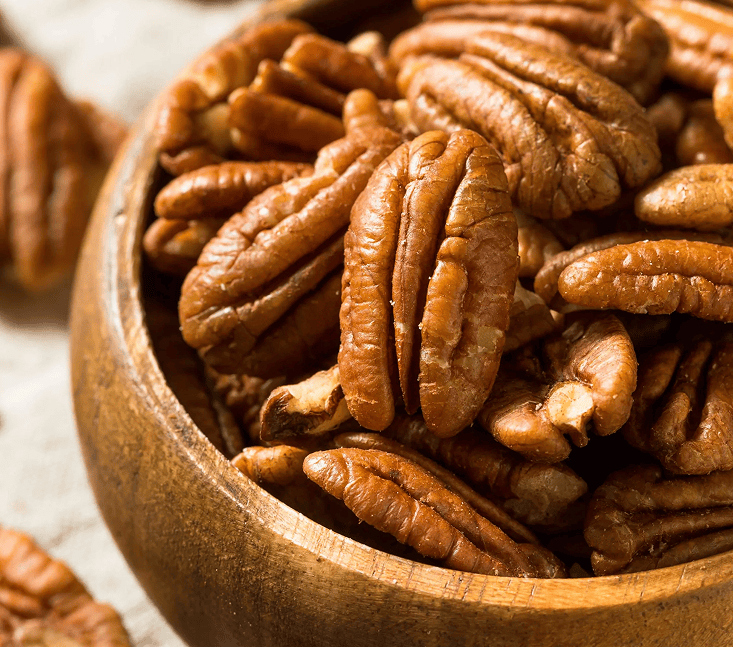
People often confuse pecans and walnuts because they look similar and share many nutritional benefits. However, pecans tend to be slightly sweeter and drier, while walnuts are more oily and sometimes bitter, which is why they are often roasted before eating.
That doesn’t make one “better,” it just means they serve different goals. If you want a richer, more satisfying bite with fewer carbs, pecans shine. If you’re aiming for a little extra protein, walnuts are a steady pick.

Fat Profile: Monounsaturated vs Polyunsaturated
Here’s the biggest nutrition split in the pecan vs walnut conversation. Pecans lean heavily toward monounsaturated fats, the same heart-friendly family of fats found in olive oil and avocados.
Walnuts, on the other hand, are dominated by polyunsaturated fats, and they’re especially known for alpha-linolenic acid (ALA), a plant-based omega-3.
One ounce of walnuts provides about 2.5 grams of ALA, which is a standout among nuts.
Fiber, Carbs, and Low-Carb Fit
Both nuts are low in carbohydrates, but pecans edge walnuts slightly on fiber and net carbs.
That’s one reason pecans tend to be favored in lower-carb or keto-style eating. You get richness, crunch, and satiety, without much carbohydrate load.
Vitamins and Minerals
Pecans are naturally rich in vitamin E, thiamin (vitamin B1), and a wide range of polyphenols. Walnuts contribute meaningful amounts of copper, manganese, magnesium, and vitamin B6.
Fresh pecans contain more vitamin B1, vitamin E, vitamin A, vitamin B5, and vitamin K. Walnuts, on the other hand, contain more vitamin B6 and certain minerals such as copper and manganese.
Put simply, pecans are a “super nut” for antioxidant variety, while walnuts bring a mineral-and-omega-3 combo that supports whole-body health.
Health Benefits Compared
If you’re choosing a nut for wellness, you truly can’t go wrong. Ultimately, the best nut is the one you’ll actually keep eating.
Heart and Cholesterol Support
Walnuts have a long track record for heart health. Their omega-3 ALA and PUFA profile is tied to healthier cholesterol patterns in many studies.
Pecans also perform beautifully here. Recent clinical research shows that when pecans replace less nutritious snacks, LDL cholesterol improves and diet quality rises.
In real life, that means swapping a mid-afternoon cookie for a handful of fresh pecans is a small choice that can echo through your whole health picture.

Brain and Anti-Inflammation
Walnuts tend to win the headline because omega-3 ALA is so brain-supportive and anti-inflammatory.
Pecans support those pathways in a different, quieter way. Their monounsaturated fats help maintain healthy cell membranes, while their polyphenols help protect your body from oxidative stress. It’s the kind of support that adds up over the years.
Antioxidants and Aging
Both nuts are antioxidant-rich, but pecans are consistently ranked among the top nuts for total antioxidant capacity. If you’re thinking about healthy aging, skin support, or reducing oxidative wear and tear, pecans bring a gentle kind of strength you can taste.
Did you know, Walnuts have produced crops in the United States that exceed 2 Billion pounds while Pecans largest crop is 400 Million.
Taste, Texture, and Best Culinary Uses
Nutrition is important, but flavor is what makes a habit stick.
Flavor Profile
Pecans are sweet, buttery, and mild. They blend into recipes without overpowering anything, and their natural richness pairs beautifully with cinnamon, vanilla, brown sugar, and even a little cayenne.
Walnuts are earthier and more assertive, with a slight bitterness that works wonderfully in savory dishes and dark chocolate desserts.
Texture and How They Perform in Recipes
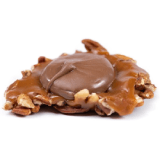
Pecans are tender, softer-crunching, and they caramelize like a dream. If you’ve ever made pralines or candied nuts, you already know why this nut has a starring role in Southern sweets.
That’s also where the praline vs pecan question comes from; pralines are candy, pecans are the nut that makes that candy unforgettable.
Walnuts hold their shape firmly. That sturdiness is useful in rustic breads, salads, and pestos where you want a nut that doesn’t disappear into the mix.

Best Use Cases
In our San Saba kitchen, we think of it this way:
-
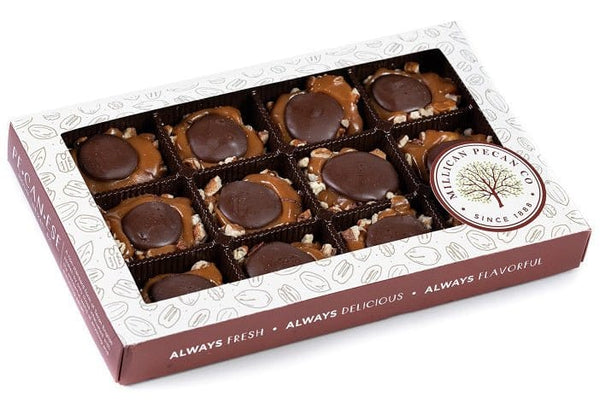
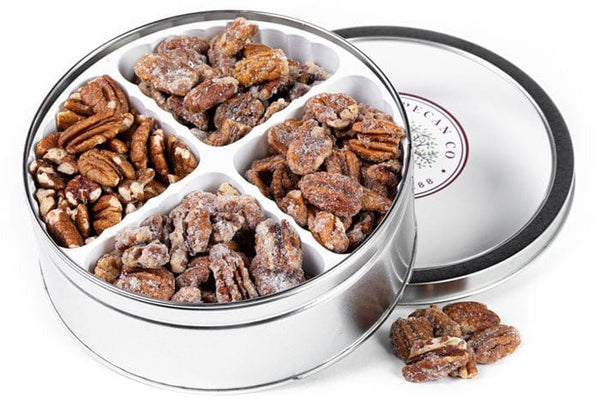
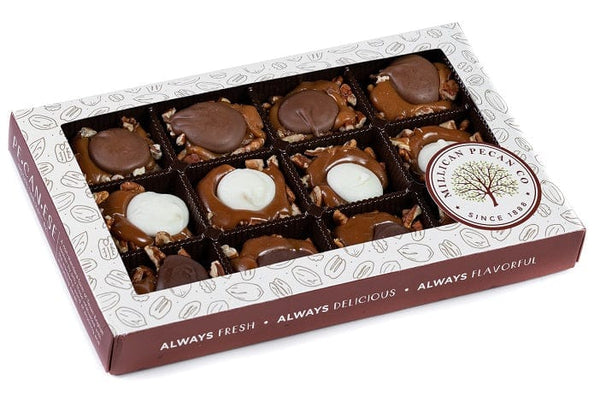
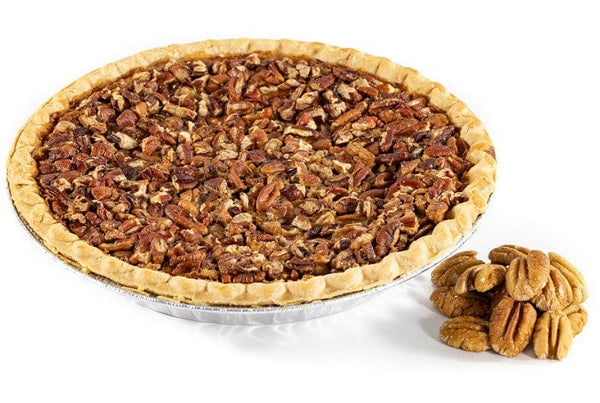
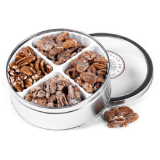
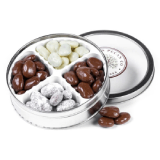
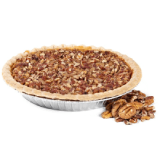
Pecans shine in: pies, pralines, roasted or spiced snacks, granola, buttery salad toppers, and gift tins. If you’re baking for the holidays, our pecan pies and small-batch treats are built on that deep, orchard-fresh flavor.
-
Walnuts shine in: brownies, banana bread, savory stuffing, pesto, and plant-based “meat” crumbles.
If you’re a baker, a chef, or just the family member known for dessert, pecans are often the ingredient that makes a recipe feel like a happy memory.
Origins and Varieties
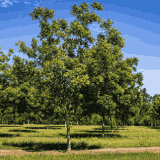
The pecan tree is native to Texas and the southern United States, while walnut trees originated in Europe and Asia.
The word “pecan” comes from the Algonquian language, referring to nuts that require a stone to crack.
There are over 1,000 named pecan varieties, ranging from native pecans to improved papershell varieties.
Walnuts come in several types, with English walnuts and black walnuts being the most common.
Which Is Better for Your Goals?
Let’s make the choice simple.
If You Want More Omega-3s
Choose walnuts. Their ALA content is hard to beat among nuts.
If You Want a Milder, Sweeter Snack
Choose pecans. Their natural sweetness means you can roast them lightly, add a pinch of salt, and call it perfect. Pecans taste like a treat even when they’re plain.
For Keto or Low-Carb Diets
Both fit, but pecans are slightly lower net carbs and slightly higher in fiber, so they often slide more easily into low-carb routines.
This is similar to what people notice in pecans vs almonds comparisons: almonds bring more protein, but pecans bring deeper richness with fewer net carbs.
For Baking and Desserts
Pecans for classic sweetness and melt-in-your-mouth richness. Walnuts for deeper, more contrasting nuttiness. A rule of thumb we’ve used for generations: pecans for warmth, walnuts for boldness.

Frequently Asked Questions
Are Pecans Healthier Than Walnuts?
Pecans and walnuts are both nutrient-dense tree nuts, so neither is “unhealthy.” Walnuts stand out for omega-3 ALA, while pecans offer more monounsaturated fats and powerful antioxidants. The healthier choice depends on your goals and taste.
Do Pecans or Walnuts Have More Omega-3?
Walnuts have far more omega-3 ALA than pecans, making them a top pick if you are focusing on plant-based omega-3 intake. That said, pecans still provide excellent heart-friendly fats, just in a different balance.
Are Pecans Or Walnuts Better For Cholesterol?
Both can support healthier cholesterol levels when used as a smart snack swap. Walnuts have strong long-term research behind them, and pecans also show LDL improvements in newer studies. Consistency matters more than choosing only one.
Do Pecans or Walnuts Taste Better In Baking?
Pecans bring a naturally sweet, buttery richness that melts into pies, pralines, and cookies. Walnuts taste earthier and bolder, which works well in breads, brownies, and savory bakes.
Conclusion
When it comes to pecan vs walnut, the truth is comforting: both are good for you, but they’re good in different ways. Walnuts bring omega-3 power and a robust, savory personality.
Pecans bring monounsaturated richness, top-tier antioxidants, and that unmistakable buttery sweetness that feels like home.
At Millican Pecan, we’ve been growing pecans on the same San Saba soil since 1888. That’s how we keep the flavor orchard-fresh and the quality worth passing along.
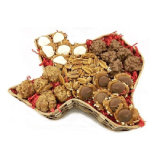
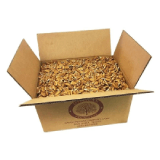
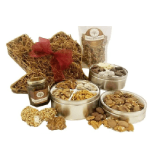
If you’re choosing pecans for baking, gifting, or everyday wellness, we’d love to help you find your favorite – whether that’s a big kitchen-ready bag of bulk pecans, a holiday tin of pecan gifts, or a taste of true Texas heritage in our Texas pecans.
Curious to learn more about pecans? Check out these articles: