




Everything you need to know about pecan butter — what it is, how it compares to peanut butter, how to make it at home, its nutrition, and the best ways to enjoy it.
Most people discover pecan butter the same way: someone who already loves it hands them a spoon, they taste it, and they immediately wonder why they didn't know this existed sooner. It has the richness of peanut butter, the natural sweetness of a fresh pecan, and none of the greasiness or lingering aftertaste that other nut butters are known for.
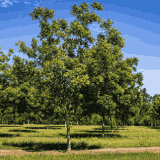
At Millican Pecan, we've been growing pecans in San Saba, Texas for generations. Pecan butter made from our farm-fresh pecans is one of the purest expressions of what a pecan can be. This guide covers everything — from what pecan butter actually is to how it compares nutritionally, how to make it at home, and how to use it every day.


What Is Pecan Butter?
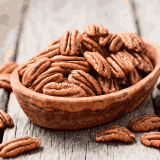
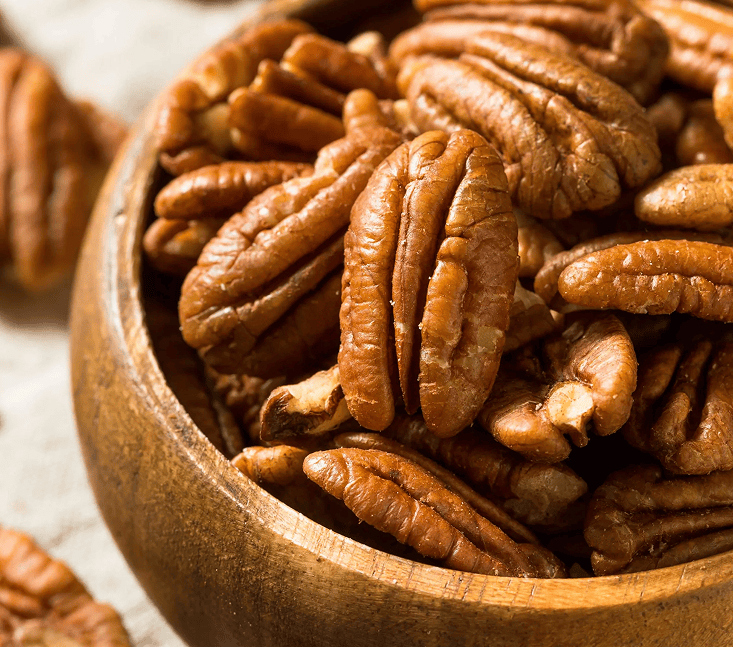
Pecan butter is a nut butter made by grinding pecans until their natural oils release and the nuts form a smooth, spreadable paste. That's it. No magic, no complicated process — just pecans and, in most quality versions, a pinch of salt.
The result is a rich, creamy spread with a naturally sweet, buttery flavor that comes entirely from the pecan itself. Unlike peanut butter, which has an earthy, savory base that needs sugar and salt to become palatable as a spread, pecan butter is already sweet on its own. The pecan's natural oils are monounsaturated — similar to olive oil — which gives pecan butter its silky texture and means it doesn't separate and turn gummy the way some other nut butters do.
The term pecan butter can also refer to flavored varieties: chocolate pecan butter, cinnamon pecan butter, honey pecan butter. These are all variations on the same base — ground pecans — with complementary flavors added.
Pecan butter in one sentence
Ground pecans whose natural oils have been fully released — creating a smooth, naturally sweet spread with no added sugar required and a richer flavor than any other nut butter on the market.
Pecan Butter vs. Peanut Butter
This is the comparison most people want to make first, because peanut butter is the default. Here's how they actually stack up:
| Category | Pecan Butter | Peanut Butter (Commercial) |
|---|---|---|
| Flavor | Naturally sweet, buttery, rich — no added sugar needed | Earthy, savory — typically needs added sugar and salt |
| Fat Type | Predominantly monounsaturated (heart-healthy) | Mix of mono- and polyunsaturated; some saturated |
| Added Ingredients | All-natural versions: pecans and salt only | Most commercial brands add sugar, salt, hydrogenated oils |
| Aftertaste | Clean finish, no lingering aftertaste | Can leave a heavy, paste-like aftertaste |
| Oil Separation | Minimal — pecan oils stay emulsified longer | Natural varieties separate significantly; commercial versions use hydrogenated oils to prevent this |
| Allergens | Tree nut (pecan); gluten-free, dairy-free, soy-free | Peanut (legume); may contain cross-contaminants |
| Antioxidants | High — pecans rank among the top nuts for antioxidant content | Lower antioxidant profile |
| Calories (per 2 tbsp) | ~200 kcal | ~190 kcal |
The honest answer is that pecan butter is the better product in almost every category except price and availability. Peanut butter is cheap and everywhere because peanuts are cheap and grow prolifically. Pecans are a more complex, higher-value nut — and the butter reflects that.
The flavor difference is significant. Peanut butter's earthiness works well in certain applications (Thai peanut sauce, satay) but requires sugar and salt to become something people want to eat by the spoonful. Pecan butter is genuinely pleasant to eat plain, which is not something most people say about unsweetened peanut butter.
Pecan Butter vs. Almond Butter and Other Nut Butters
| Nut Butter | Flavor Profile | Texture | Oil Separation | Notes |
|---|---|---|---|---|
| Pecan Butter | Rich, naturally sweet, buttery | Silky, smooth | Minimal | Highest antioxidant content of nut butters |
| Almond Butter | Mild, slightly bitter | Can be gritty | Significant | High in vitamin E; needs frequent stirring |
| Peanut Butter | Earthy, savory | Thick, pasty | Variable | Most affordable; typically has added sugar |
| Cashew Butter | Mild, creamy, slightly sweet | Very smooth | Low | Lower protein; naturally sweet |
| Walnut Butter | Earthy, slightly bitter | Coarse | High | High in omega-3; strong flavor |
How to Make Pecan Butter at Home
Homemade pecan butter is one of the most satisfying things you can make in a food processor. Three ingredients, one piece of equipment, fifteen minutes. The result is a pecan butter spread that's fresher and more flavorful than anything in a jar on a store shelf.
Classic Homemade Pecan Butter
Ingredients- 2 cups Millican Pecan halves (fresh is essential — stale pecans make bitter butter)
- ¼–½ teaspoon fine sea salt, to taste
- Optional: 1 teaspoon honey or maple syrup
- Optional: ½ teaspoon vanilla extract or cinnamon
- Toast the pecans. Spread on a parchment-lined baking sheet and roast at 325°F for 8–10 minutes until fragrant and lightly golden. Watch closely after 7 minutes. Let cool completely — at least 15 minutes — before processing. Processing warm pecans can make the butter grainy.
- Add to a food processor. Place the cooled toasted pecans in the bowl of a food processor fitted with the S-blade.
- Process on high. Run continuously, scraping down the sides every 30–45 seconds. The pecans will go through several stages: coarsely chopped → fine crumbs → clumped dough → smooth paste. This typically takes 8–12 minutes total.
- Don't stop early. The stage that looks like a broken, dry paste is exactly when most people give up — and the worst time to stop. Push through it. Within another minute or two the oils will fully release and the butter will turn silky and glossy.
- Season. Add salt and any optional flavors. Pulse briefly to combine, then taste and adjust.
- Store. Transfer to a clean glass jar with a tight-fitting lid. Refrigerate for up to 3 weeks.
Variations
Chocolate Pecan Butter: Add 2 tablespoons of unsweetened cocoa powder and 1 tablespoon of honey once the base is smooth. Pulse to combine. The result is closer to a high-quality chocolate spread than anything commercial.
Cinnamon Honey Pecan Butter: Add 1 teaspoon of ground cinnamon and 1 tablespoon of honey. Works beautifully on toast, waffles, and oatmeal.
Butter Pecan Butter: Use butter-roasted pecans as your base rather than plain toasted pecans. The caramelized butter adds a depth that's genuinely extraordinary — this is the version people ask for the recipe after tasting.
Pecan Butter Nutrition
Here's the nutritional profile for a standard two-tablespoon serving of all-natural pecan butter (pecans and salt only, no added sugar or oil):
A few things worth noting in these numbers:
- The fat is the good kind. Over 85% of the fat in pecan butter is unsaturated. Only about 1.8g per serving is saturated fat — lower than almond butter and significantly lower than coconut-based products.
- Zero cholesterol. All plant-based nut butters are naturally cholesterol-free. Creamy pecan butter from Millican Pecan has no added ingredients that would change this.
- The sugar is naturally occurring. All-natural pecan butter contains no added sugar. The 1.1g of sugar per serving comes from the pecan itself — which is why pecan butter tastes naturally sweet without needing anything added.
- Gluten-free, dairy-free, soy-free. Pecan butter is free from all three of the most common dietary sensitivities.
Health Benefits of Pecan Butter
How Much Pecan Butter Should You Eat Per Day?
The standard recommendation for nut consumption is about 1.5 ounces (roughly a small handful) per day, based on the serving sizes used in most nut health research. Translated to pecan butter, that's approximately two tablespoons — the standard serving size.
Two tablespoons of all-natural pecan butter delivers:
- ~200 calories
- 21g of predominantly healthy fat
- 2.7g of fiber
- Meaningful amounts of magnesium, zinc, and vitamin E
If you're tracking macros or calories, pecan butter is calorie-dense — as all nut butters are — so portion awareness matters. That said, the high fat and fiber content means two tablespoons is genuinely satiating. Most people find they don't need more than that to feel satisfied.
If you're adding pecan butter to a smoothie, spreading it on toast, or using it as a dip for fruit, a single tablespoon (around 100 calories) is often enough because it's paired with other food.
The bottom line on daily intake
Two tablespoons per day is a sensible starting point for most people. The fats are healthy, the calories are real — enjoy it as part of a balanced diet rather than treating it as a free food.
Ways to Use Pecan Butter
Pecan butter is one of the most versatile spreads in the kitchen. It works anywhere peanut butter or almond butter would, and often better. Here's where it shines:
Breakfast
- On toast (classic)
- Stirred into oatmeal
- On waffles or pancakes
- Overnight oats topping
- Blended into smoothies
- On a bagel with banana slices
Snacking
- On apple or pear slices
- With celery sticks
- On rice cakes
- Straight from the spoon
- On crackers with honey
- Stuffed into dates
Sandwiches
- Pecan butter and jelly (PB&J upgrade)
- Pecan butter with honey and banana
- Pecan butter and sliced strawberries
- Open-face with blueberries
Baking
- Pecan butter cookies
- Brownies (replace some butter)
- Muffin batter addition
- Energy ball binding agent
- No-bake cheesecake filling
Savory Uses
- Pecan butter sauce for noodles
- Salad dressing base
- Marinade for chicken or pork
- Dipping sauce for spring rolls
Desserts
- Ice cream topping
- Swirled into brownie batter
- Chocolate pecan butter cups
- Pecan butter frosting
- Blended into milkshakes
What to Look for When Buying Pecan Butter
Not all pecan butter is equal. Here's what separates a great jar from a mediocre one:
- Ingredient list: Should be two ingredients at most — pecans, salt. Any additional oils, sugars, or stabilizers are unnecessary and reduce quality.
- Pecan source: Farm-sourced pecans from a known region will always outperform generic commodity pecans. The freshness and quality of the nut is the single biggest variable in the quality of the butter.
- Texture: A high-quality creamy pecan butter should be smooth and spreadable, not gritty or dry. Grittiness usually means the pecans weren't processed long enough or were old when processed.
- Color: Expect a warm light tan to medium brown. Very pale butter can indicate under-toasting; very dark butter can indicate over-toasting, which brings bitterness.
- Oil separation: Some separation is normal in natural nut butters. A small amount of oil at the top is a sign of no hydrogenated oils — that's actually good. Excessive separation means stir and refrigerate after opening.
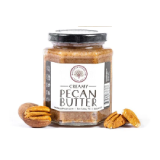
Millican Pecan's Creamy Pecan Butter contains two ingredients: pecans grown on our San Saba, Texas farm, and salt. No added sugar, no hydrogenated oils, no stabilizers. Gluten-free, soy-free, dairy-free. The pecan flavor is rich enough to need nothing else.
Frequently Asked Questions
Try Millican Pecan Butter
Farm-grown in San Saba, Texas. Two ingredients: pecans and salt. No sugar, no additives, no shortcuts — just the richest, most naturally sweet pecan butter you've ever tasted.