



Four recipes, the science behind why honey works so well with pecans, tips for a perfect glaze every time, and where to buy honey roasted pecans already made.
Of all the ways to dress up a pecan, honey might be the most honest. Sugar candy-coats. Butter enriches. But honey and a fresh pecan together do something different — they find each other. The floral warmth of real honey and the natural butterscotch sweetness of a well-grown pecan are genuinely complementary flavors, and roasting deepens both of them at once.
The result is what people mean when they reach for the term honey roasted pecans: something that tastes more complex than its ingredients suggest, with a glossy caramel finish, a satisfying crunch, and a sweetness that doesn't feel one-dimensional the way straight sugar does.
This guide covers four distinct recipes for homemade honey roasted pecans, the science of why honey glazes work the way they do, tips for getting a perfect result every time, and everything else worth knowing — including where to buy honey roasted pecans already made when you want the best without the effort.
What Are Honey Roasted Pecans?
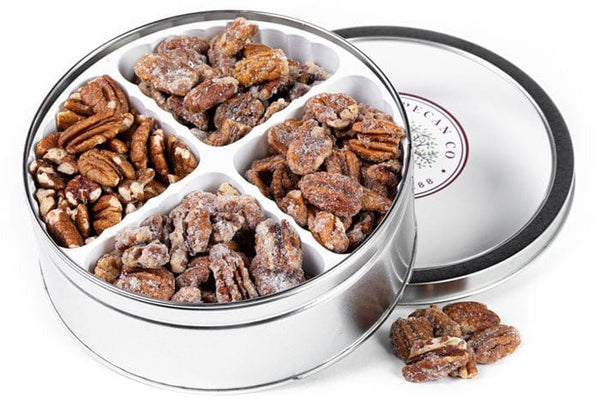
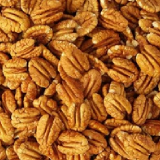
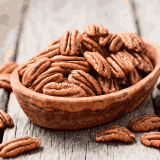
Honey roasted pecans are pecan halves or pieces coated in real honey — often with butter, salt, and spices — then roasted at low-to-medium heat until the honey caramelizes into a thin, glossy glaze that clings to the nut and sets as it cools into a crisp, sweet shell.
They differ from other sweetened pecans in one key way: the sweetener itself has flavor. Granulated sugar is neutral — it adds sweetness and texture but nothing else. Honey pecans carry the character of the honey used, which means the floral, earthy, or fruity notes in a good honey come through in the finished nut.
The terms honey baked pecans, roasted honey pecans, roasted pecans with honey, and honeyed pecans all refer to the same basic category — pecans with a honey-based glaze applied before or during roasting. The variation between recipes comes from what else is added: butter for richness, salt for contrast, cinnamon or spices for warmth, cayenne for heat.
Why Honey Works Better Than Sugar for Roasted Pecans
This isn't just preference — there are real reasons why honey produces a superior glaze on pecans compared to refined sugar alone.
Honey Is Hygroscopic
Honey naturally attracts and retains moisture from its environment. On a roasted pecan, this means the glaze stays slightly pliable rather than turning brittle and crumbly. Honey roasted pecans hold their crunch without the glaze cracking and flaking off the nut the way pure sugar glazes sometimes do.
Honey Caramelizes at a Lower Temperature
The fructose in honey begins to caramelize at a lower temperature than sucrose (table sugar). This means baked pecans with honey develop that deep golden-brown color and complex caramel flavor faster and at lower oven temperatures — which reduces the risk of burning the nut while you wait for the sugar to color.
Honey Has Its Own Flavor
Depending on which variety you use, honey contributes floral, fruity, buttery, or earthy notes that refined sugar simply doesn't have. Those flavor compounds survive the roasting process and translate directly into the finished pecan honey glaze. This is the biggest reason why a well-made honey pecan tastes more interesting than one made with plain sugar.
Honey Adheres More Reliably
Honey's natural viscosity and sugar density means it clings to the surface of a pecan more readily than a dissolved sugar solution. You get more even coating with less effort, and the glaze is less likely to pool at the bottom of the pan during roasting.
Which Honey to Use for Roasted Pecans
Not all honey tastes the same, and the variety you choose will influence the flavor of your finished honey roasted pecans. Here's a guide:
Recipe 1: Classic Honey Roasted Pecans (Oven Method)
This is the foundation recipe — the one to start with and return to. Classic honey baked pecans with real butter for richness, kosher salt for contrast, and a touch of cinnamon for warmth. Simple enough to let the honey and pecan speak, complete enough to be genuinely memorable.
Classic Honey Roasted Pecans Oven • Best for Gifting
- 1 lb (4 cups) Millican Pecan halves
- 3 tablespoons real honey (wildflower or clover recommended)
- 2 tablespoons unsalted butter, melted
- 1 teaspoon kosher salt
- ½ teaspoon ground cinnamon
- Optional: ¼ teaspoon vanilla extract
- Preheat oven to 300°F. Line a large rimmed baking sheet with parchment paper. This temperature is deliberate — honey caramelizes faster than sugar and burns easily above 325°F.
- Make the glaze. In a large bowl, whisk together honey, melted butter, salt, cinnamon, and vanilla if using. The mixture should be smooth and uniform.
- Coat the pecans. Add pecan halves and toss thoroughly until every pecan is evenly coated. Take your time — uncoated patches will look pale and taste bland after roasting.
- Spread in a single layer. Arrange on the prepared baking sheet with space between each pecan. Single layer is non-negotiable for even roasting.
- Bake for 20–25 minutes, stirring once gently at the 10–12 minute mark. The honey glaze will bubble, then darken to a deep golden amber. Pull them when the color is deep gold — not dark brown.
- Cool completely on the pan for at least 20 minutes. The glaze is liquid when hot and sets into a firm, glossy shell as it cools. Don't rush this step — the crunch happens during cooling.
- Break apart any clusters once fully cooled and store or serve.
Recipe 2: Quick Stovetop Honey Pecans (10 Minutes)
When you need honey pecans fast, the stovetop delivers a beautiful result in under ten minutes. This method produces a thinner, glossier glaze than the oven version — almost lacquered — and works perfectly for salad toppings, cheese boards, or a quick snack.
Quick Stovetop Honey Pecans 10 Minutes
- 2 cups Millican Pecan halves
- 2 tablespoons real honey
- 1 tablespoon unsalted butter
- ¾ teaspoon kosher salt
- ¼ teaspoon ground cinnamon
- Set up your cooling station first. Line a baking sheet or large plate with parchment paper before turning on the heat. Honey glaze sets fast and you'll need to move immediately once it's done.
- Melt butter in a skillet over medium-low heat. Add honey, salt, and cinnamon. Stir to combine — the mixture will thin out as the honey warms.
- Add pecans. Stir to coat every pecan in the honey-butter mixture. Continue stirring continuously for 4–5 minutes as the glaze thickens and begins to cling.
- Know when to stop. The glaze is ready when it coats every pecan, the pan looks nearly dry, and the honey has visibly darkened from pale yellow to a warm amber. Remove from heat immediately at this point.
- Transfer immediately to your parchment-lined surface. Use two spoons to spread the pecans apart — they'll want to cluster as the glaze cools and sets.
- Cool for at least 10 minutes before touching them. The glaze hardens as it cools. Break apart any final clusters once fully set.
Recipe 3: Spiced Honey Roasted Pecans
This is the warm, complex version — roasted pecans with honey elevated by a spice blend that gives the glaze real depth. Cinnamon, cardamom, and a hint of black pepper create a layered flavor that makes these honeyed pecans genuinely difficult to stop eating. Perfect for the holidays, gifting, or any time you want something a little more special than the classic.
Spiced Honey Roasted Pecans Holiday Favorite
- 1 lb (4 cups) Millican Pecan halves
- 3 tablespoons real honey (buckwheat or wildflower recommended here)
- 2 tablespoons unsalted butter, melted
- 1 teaspoon ground cinnamon
- ¼ teaspoon ground cardamom
- ¼ teaspoon ground ginger
- ⅛ teaspoon ground cloves
- ⅛ teaspoon freshly ground black pepper
- 1 teaspoon kosher salt
- ½ teaspoon vanilla extract
- Preheat oven to 300°F. Line a rimmed baking sheet with parchment paper.
- Make the spiced glaze. Whisk together honey, melted butter, all spices, salt, and vanilla in a large bowl until smooth and fragrant. Taste the glaze before adding pecans — it should taste well-balanced and slightly spiced.
- Coat the pecans. Add pecan halves and toss until every pecan is evenly coated. The spice coating should look uniform with no pale or dry patches.
- Spread in a single layer on the prepared baking sheet.
- Bake for 20–25 minutes, stirring once at the halfway mark. The spiced honey will deepen in color significantly — deep amber to light brown is the target. Pull before dark brown.
- Cool completely on the pan. These taste better after they've cooled for 30 minutes and the spices have had time to settle into the glaze.
Recipe 4: Sweet & Salty Honey Roasted Pecans
The sweet-salty combination is one of the most reliably addictive flavor profiles in snacking — and honey baked pecans with a deliberate salt finish are its best pecan expression. The honey provides deep sweetness; flaky sea salt on top after roasting creates sparkling pockets of contrast that make every bite different from the last. This is the version people eat by the handful.
Sweet & Salty Honey Pecans Most Addictive
- 1 lb (4 cups) Millican Pecan halves
- 3 tablespoons real honey (orange blossom works beautifully here)
- 2 tablespoons unsalted butter, melted
- ¾ teaspoon kosher salt (for coating)
- ½ teaspoon flaky sea salt, such as Maldon (for finishing)
- Optional: ¼ teaspoon rosemary, finely chopped
- Preheat oven to 300°F. Line a rimmed baking sheet with parchment paper.
- Make the glaze. Whisk honey, melted butter, and kosher salt together. If using rosemary, add it here — it blooms in the honey-butter mixture and distributes evenly.
- Coat the pecans and spread in a single layer on the prepared baking sheet.
- Bake for 20–25 minutes, stirring once at the halfway mark. Watch the color carefully — deep golden amber.
- Immediately upon removing from the oven, while the honey glaze is still tacky, sprinkle the flaky sea salt evenly over all the pecans. Press very gently so the flakes adhere as the glaze cools.
- Cool completely — the salt adheres fully as the glaze hardens. The result is visible salt crystals sitting on top of the glossy honey coating.
Pro Tips for Perfect Honey Roasted Pecans
Use 300°F — Always
Honey burns faster than sugar. At 325°F or higher, the fructose in honey can go from golden to bitter in minutes. Every recipe above uses 300°F for this reason. The extra time at lower heat is worth it.
Parchment Paper Is Non-Negotiable
Honey glaze is one of the most aggressively sticky substances in the kitchen when hot. It will bond permanently to an unlined pan. Parchment paper or a silicone baking mat are the only reliable non-stick surfaces for baked pecans with honey. Never use foil alone.
Single Layer or Two Pans
Overlapping pecans honey roasted on a pan steam each other and roast unevenly, producing soft patches and clumped clusters. Spread them out. Use two baking sheets for a full pound rather than crowding onto one.
Cool Before Storing — Not After Tasting
Honey-glazed pecans eaten warm feel sticky and soft. Give them the full 20 minutes to cool on the pan. The glaze hardens as it cools and what was sticky becomes a satisfying, glass-like crunch. Testing them before they're fully cool gives a false impression of underdone pecans.
The Pecan Quality Sets the Ceiling
Honey enhances what's already there. A fresh, plump pecan half roasts into something genuinely extraordinary with a honey glaze. A stale pecan turns bitter under heat and no amount of honey covers that. Start with the best pecan you can source — ideally from a farm you know.
Health Benefits of Honey Roasted Pecans
Honey roasted pecans combine two genuinely nutritious ingredients. Here's what you're getting:
A note on moderation
Pecans are calorie-dense — about 200 calories per ounce. The honey adds roughly 20–30 calories per serving of glaze. Honey roasted pecans are a nutritious snack, not a free food. A one-ounce serving (about a small handful) delivers real nutritional value; a bowl of them in front of the TV delivers real caloric consequences.
Ways to Use Honey Roasted Pecans
Salads
- Mixed greens with goat cheese and pear
- Arugula with balsamic and blue cheese
- Spinach, strawberry, and poppy seed
- Roasted beet and citrus salad
- Any grain bowl needing sweetness
Cheese Boards
- Alongside brie or camembert
- With aged cheddar and apple slices
- Next to blue cheese and dried figs
- As a charcuterie board anchor
Breakfast
- Oatmeal topping
- Yogurt parfait
- Overnight oats
- Granola mix-in
- Pancake or waffle topping
Desserts
- Ice cream topping
- Cheesecake garnish
- Cake layer filling
- Brownie mix-in
- Banana bread fold-in
Snacking
- Straight from the jar
- Trail mix with dried cranberries
- Mixed with dark chocolate chips
- Travel and desk snacks
Gifting
- Mason jars with kraft labels
- Holiday gift baskets
- Hostess gifts
- Teacher appreciation
- Corporate gifts
Storage Guide
| Storage Method | Duration | Notes |
|---|---|---|
| Airtight container, room temperature | 1–2 weeks | Best texture; keep away from humidity and heat |
| Refrigerator (airtight) | Up to 1 month | Bring to room temperature before serving for best crunch |
| Freezer (airtight) | Up to 3 months | Thaw at room temp; re-toast at 300°F for 8 min if needed |
Critical storage rules: Cool completely before sealing — even slight warmth creates condensation that softens the honey glaze. Glass jars outperform plastic bags for long-term storage. Keep away from direct sunlight and heat sources. To refresh any softened pecans, spread on a parchment-lined pan and re-toast at 300°F for 8–10 minutes, then cool completely again.
Frequently Asked Questions
Buy Honey Roasted Pecans From the Farm
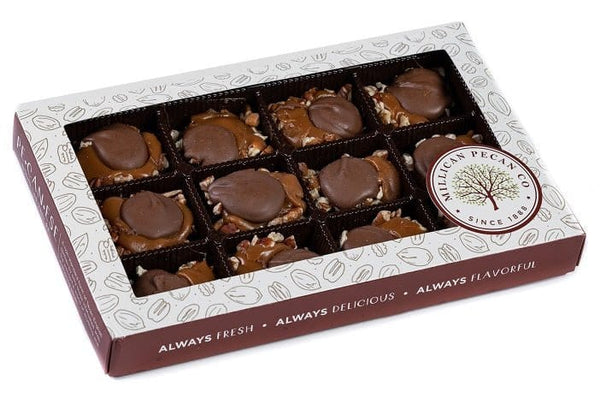
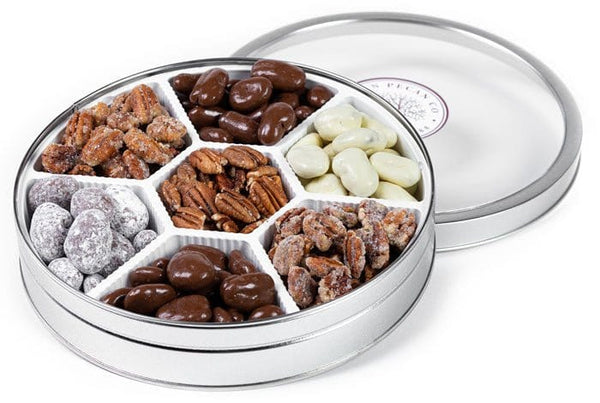
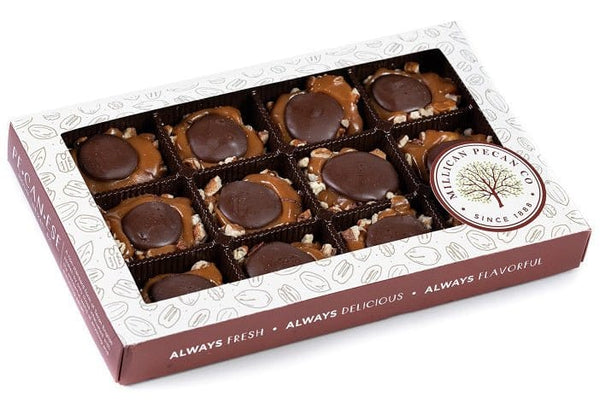
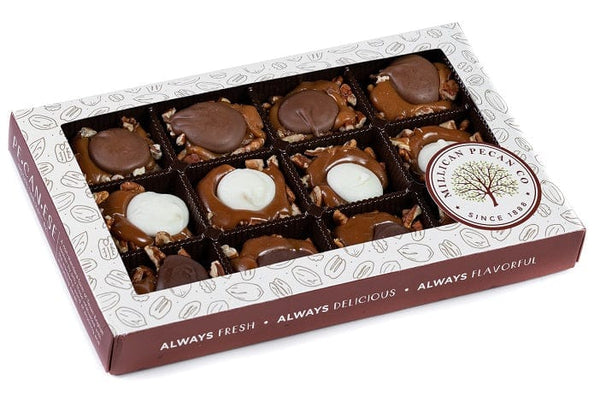
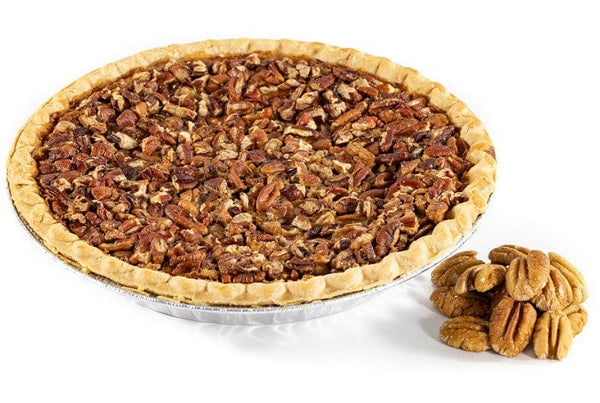
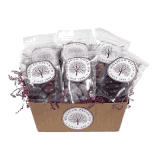
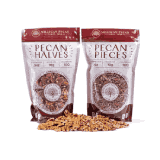
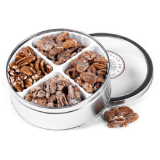
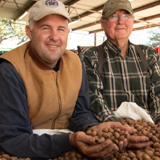
Made with fresh Texas pecans from our San Saba River farm and roasted with real honey. No artificial flavors, no shortcuts — just genuinely great honey roasted pecans ready to eat, share, or gift.