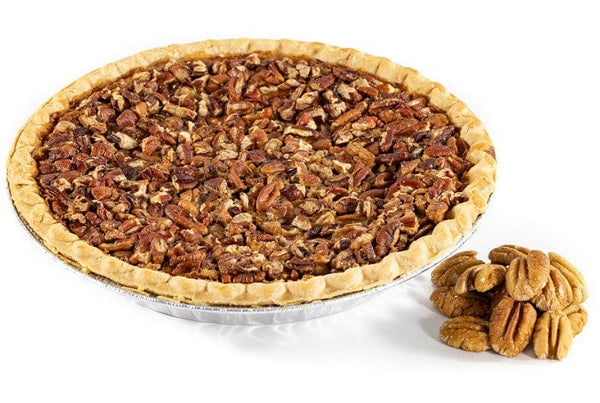
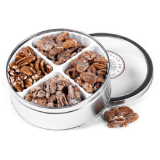


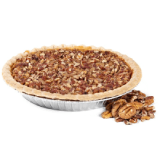










If you've ever bitten into a warm slice of pecan pie, you've met one of America's favorite nuts. But what is a pecan, really?
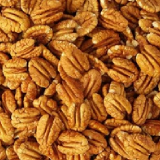
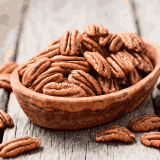
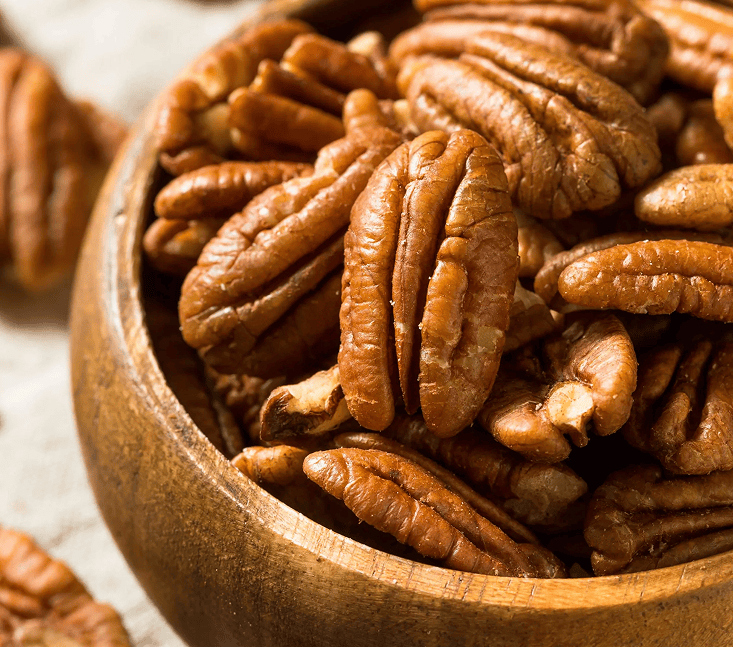
A pecan is the edible kernel that grows inside a hard, oval shell on the pecan tree, a species native to North America. It's rich and buttery, with a natural sweetness that sets it apart.
Here at Millican Pecan, we've spent generations answering questions about this nut as people who know how to harvest pecans, and we still find it fascinating. Its name has a story. Its growing range is surprisingly specific. And its health benefits go well beyond what most people expect. Let's crack this one open.
What this article covers:


What Is a Pecan?
A pecan is the seed of the pecan tree, scientifically known as Carya illinoinensis. It's the only major tree nut that's truly native to the United States.
Technically speaking, a pecan isn't a true nut at all. It's the kernel found inside a drupe, a fruit with a hard outer husk that splits open once the nut inside matures.
Pecans belong to the hickory family and are close cousins of the walnut. Compared to walnuts, pecans tend to be softer and sweeter, with a more buttery flavor. After putting it to the test in our own orchards for five generations, we can tell you that difference is real.
Raw pecans are sodium-free and low in carbs. That, combined with their healthy fats, is part of why they've earned a permanent spot in pantries across the country.

How Did the Pecan Get Its Name?
The word "pecan" comes from the Algonquian languages spoken by Native American tribes. It roughly translates to a nut that needs a stone to crack.
That's a funny bit of history, because most pecan varieties today have thin shells you can crack by hand.
Native Americans harvested and ate wild pecans for centuries before European settlers ever saw one. Spanish explorers who reached the American South in the 1500s called them "nuez de la arruga," or wrinkled nut, before later adopting terms tied to the walnut family.
By the 1790s, the Spanish had carried pecans into Europe, then on to Asia and Africa. That's how a taste for this uniquely American nut spread well beyond its home soil.
Where Do Pecans Grow?
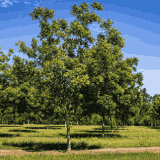
Pecans grow best in warm climates with long, hot summers. The United States produces roughly 80% of the world's supply, and Texas, Georgia, New Mexico, and about a dozen other states across the South and Southwest grow the bulk of the crop.
Here at Millican Pecan, we've been growing ours in San Saba, Texas since 1888. There's a reason Texas takes such pride in this nut. The soil and sun here, combined with a long growing season, produce pecans with a flavor that's hard to match.
A pecan tree needs roughly a decade before it reaches full production. Once mature, though, it can keep bearing nuts for a century or more.
With years in the industry, we've watched trees planted by our great-great-grandparents still producing today. That kind of staying power says something about this tree.
Want to learn more about pecans? Check out our guides on when is pecan season and when do pecans fall.

Benefits of Pecans
Beyond their rich flavor, pecans bring a surprising amount of nutrition to the table. From heart health to brain function, these six benefits show why this Texas nut deserves a regular spot in your diet:
1. Heart Health
Pecans are rich in monounsaturated fats, the same heart-friendly fats found in olive oil. They also carry calcium, magnesium, potassium, and zinc.
Together, these nutrients help support healthy blood pressure and lower LDL cholesterol, the kind linked to higher stroke and heart attack risk. Swapping a handful of pecans in for chips or crackers is a small change that adds up over time.
2. Blood Sugar Support
Pecans have a low glycemic index. That means they won't send blood sugar spiking the way many packaged snacks do.
They can even help offset the effects of higher glycemic foods when eaten together at the same meal. That makes them a smart snack choice for anyone watching their blood sugar.
3. Inflammation Relief
Pecans contain omega-3 fats along with magnesium, calcium, vitamin E, and zinc, all of which have anti-inflammatory properties.
That combination may help ease joint discomfort and support recovery, especially for people managing arthritis symptoms.
4. Weight Management
Pecans pack protein and fiber into every serving, alongside plenty of healthy fats. That combination helps you feel full longer, which can make it easier to avoid reaching for less healthy snacks between meals.
A single serving is about 1 ounce, or 19 halves. Because pecans are naturally sweet, they also make a satisfying stand-in for candy or chocolate when a craving hits.

5. Antioxidant Power
Pecans rank among the top 20 foods for antioxidant content in USDA testing, and they're the only nut to make that list.
Antioxidants help protect cells from the kind of damage linked to aging and chronic disease. That makes pecans a nutrient-dense addition to nearly any diet.
6. Brain Function
Pecans contain polyphenols and other antioxidants that researchers believe may support brain health. They're the only nut to appear on the USDA's list of top 20 antioxidant-rich foods, coming in near the top of that ranking.
From our experience, that makes pecans an easy nut to feel good about snacking on, whether you're working through an afternoon slump or just want something to fuel your focus.
Pecan FAQs
How should I store pecans to keep them fresh?
Because pecans are high in natural oils, they go rancid faster than many other nuts. Keep shelled pecans in the refrigerator for a few months or the freezer for up to two years to lock in that fresh, buttery flavor.
Do pecans trigger nut allergies?
Yes. Pecans are a tree nut and can cause a reaction in people with tree nut allergies. If you have a known nut allergy, check with your doctor before adding pecans to your diet.
What can I do with pecan shells?
Don't toss them. Pecan shells add a smoky flavor to grilled meats, and crushed shells make a handy mulch for gardens. Some people even use them in compost.

Conclusion
So, what is a pecan? It's a native Texas treasure with deep roots and a fascinating name, backed by a nutritional profile that punches well above its weight.
From heart health to brain function, this buttery little nut earns its spot in your pantry many times over.
If you're ready to taste the difference that generations of orchard know-how can make, shop our fresh Texas pecans today and see why we've been doing this since 1888.