












If you've ever cracked open a pecan and wondered how it ended up in your kitchen, you're not alone. From our experience running a pecan orchard for generations, most folks have no idea how much history goes into every bag they buy.
So, where do pecans come from? Pecans didn't start out as a grocery store staple. They started out wild, growing along rivers in North America long before anyone planted them on purpose. Let's dig into where these nuts come from and where you can find the best ones today.
What this article covers:
- Where Did Pecans First Grow?
- Where Are Pecans Grown Now?
- How Are Pecans Grown and Harvested?
- Where Is the Best Place to Get Pecans?


Where Did Pecans First Grow?
Pecans first grew wild in North America, in the river valleys of what's now the southern United States and Mexico. Long before Europeans arrived, Native American tribes relied on pecans as a major food source. The word "pecan" comes from an Algonquin term for any nut that needed a stone to crack open.
Wild pecan trees grew along waterways, which made the nuts easy to gather and transport, so tribes across the region depended on them each autumn. Many varieties grown today still carry Native American names like Cheyenne, Choctaw, and Kiowa.
Spanish explorers were among the first Europeans to encounter pecans, trading the nuts as early as the 16th century. Spanish colonists and Franciscan missionaries planted some of the earliest cultivated orchards in northern Mexico in the late 1600s.
The first U.S. planting on record came in 1772 in Long Island, New York. From there, pecans made their way south and east, eventually catching the attention of Thomas Jefferson and George Washington, who both planted the trees on their estates. Jefferson liked pecans so much that he once wrote home from Paris asking for a fresh supply.

Where Are Pecans Grown Now?
Pecans are grown commercially today across fifteen U.S. states, with Georgia, Texas, New Mexico, and Oklahoma leading the pack. The United States remains the largest pecan producer in the world, responsible for roughly 80% to 90% of global supply, with an annual crop of around 300 million pounds.
Commercial farms also operate in California, Florida, Alabama, Arkansas, Arizona, Kansas, Louisiana, Missouri, South Carolina, and Mississippi.
Outside the U.S., Mexico produces a significant share of the world's pecans, and smaller operations exist in South Africa, Peru, Brazil, Israel, and Australia. We've watched demand grow steadily worldwide, and international production has expanded to keep pace.
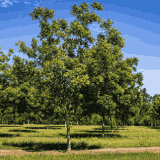
Not every patch of land can grow a good pecan tree. These trees need deep, well-drained soil, usually a sandy loam with a clay subsoil, plus steady water and a long, warm growing season. That's why Texas, Georgia, and the Gulf Coast became the heart of the American pecan industry.

How Are Pecans Grown and Harvested?
Pecans are grown in orchards, which are planted and managed by growers, or in groves, where trees occur naturally. Either way, a pecan tree is a long-term investment.
It typically takes seven to ten years before a tree produces its first real crop, and grafted trees bear fruit faster than trees grown from seed. Once mature, a tree can keep producing for well over a hundred years.
After putting it to the test season after season, we can tell you that growing pecans well takes constant attention. The soil has to stay fertile and well irrigated, and fields need protection from pests like weevils and diseases such as pecan scab, which can cause nuts to drop before they're ready.
Harvest season generally runs from September through November in the eastern U.S., though western regions like Arizona can harvest as late as March. As husks split open, growers use mechanical tree shakers to knock loose the remaining nuts, and machines sweep them up off the orchard floor.
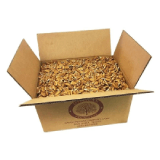
Workers then clean and sort the harvest until only mature pecans remain, and the nuts are dried and stored, often in cold storage, before being shelled, packaged, and shipped to customers.
Want to know more about the best way to keep your pecans after they've been harvested, and they reach your front door? Read our guides on how long do pecans last and do pecans go bad.

Where Is the Best Place to Get Pecans?
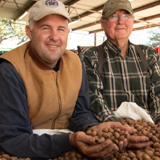
The best place to get all types of pecans is straight from a grower who has spent generations perfecting the craft, and that's what we do at Millican Pecan. Since 1888, our family has grown and harvested Texas pecans from our Mother Orchard in San Saba; touted as the oldest commercial orchard in the United States, if not the world. Unlike most retailers, we own the orchard, the shelling plant, and the commercial orchard kitchen, so the pecans you order haven't passed through a chain of middlemen.
With years in the industry, we've learned that freshness makes all the difference in flavor. A pecan that's been sitting in a warehouse for months doesn't compare to one that's been harvested, shelled, properly stored in a commercial freezer, and shipped with care.
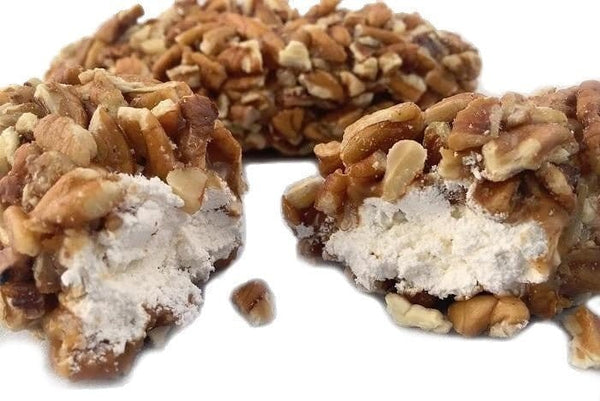
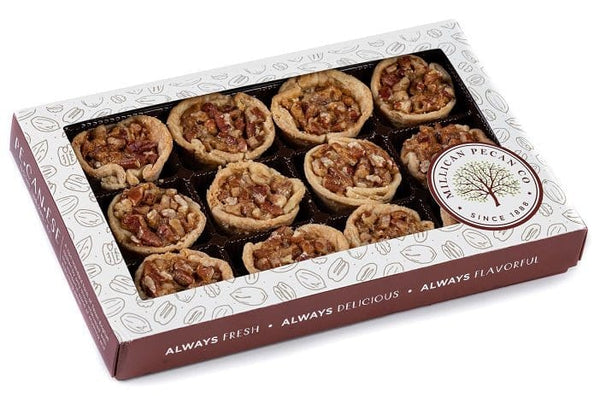
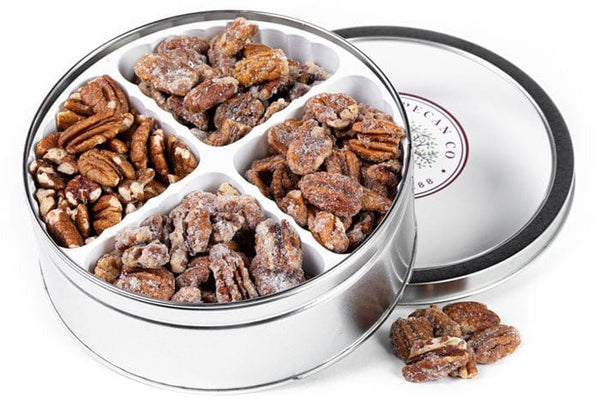
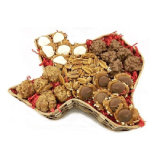
Whether you want raw pecan halves, roasted and seasoned varieties, or chocolate-covered pecans, we handle every step ourselves so we can stand behind what we sell.
If you want pecans that taste the way they're supposed to, buying direct from a dedicated grower is the way to go. We'd love for that grower to be us.
Conclusion
Pecans have come a long way, from wild trees along North American rivers to orchards spanning fifteen U.S. states and beyond. Native Americans discovered them first, Spanish explorers spread the word, and American growers turned them into an industry that now produces hundreds of millions of pounds each year.
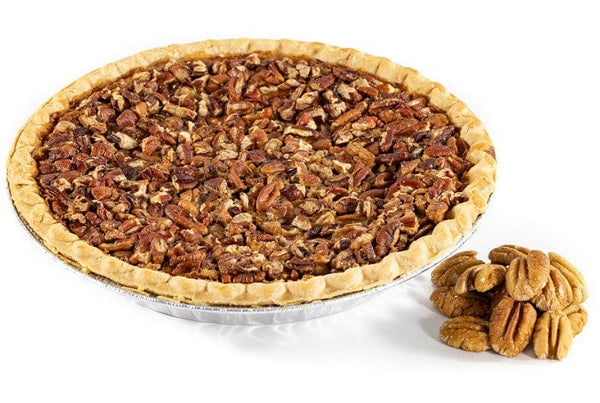
It takes patience and hard work to grow a pecan tree from sapling to harvest, but the payoff is a nut that's as versatile as it is delicious. Next time you enjoy a handful of pecans or a slice of pecan pie, you'll know exactly how far that nut has traveled to reach your table.
Skip the middlemen and taste pecans the way they're meant to be. Order premium pecans from Millican Pecan today and bring home a piece of our 135-year Texas legacy.