


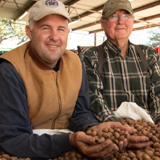



At Millican Pecan, we've been growing, harvesting, and shelling pecans in San Saba, Texas, since 1888. That's five generations of watching what happens when pecans are stored right, and what happens when they aren't.
It's a question we hear constantly from customers: how long do pecans last once they're home in your pantry? The honest answer is that it depends on a handful of factors, including whether they're in the shell, where you keep them, and how much moisture they've been exposed to along the way.
Pecans are a high-fat nut, and that natural oil is exactly what gives them their buttery flavor. It's also why they don't last forever on a shelf. Let's break down what really determines a pecan's shelf life, and how you can stretch it as long as possible.


How Long Are Pecans Good For?
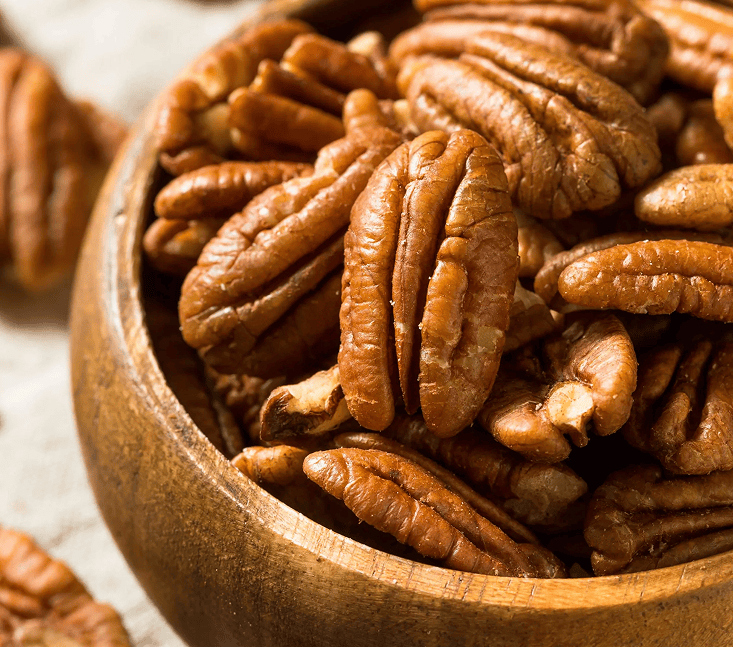
Pecans are good anywhere from a few weeks to two full years, depending entirely on how they're stored. In-shell pecans kept at room temperature in a cool, dry spot typically last 10 to 12 months.
Move them to the refrigerator, and they'll hold up for around 18 months. Drop them in the freezer, and they can stay fresh for up to two years.
Shelled pecans don't fare quite as well, since removing the shell exposes more surface area to air and moisture. Shelled pecans generally last 6 months in the refrigerator and up to one year in the freezer.
From our experience, temperature and moisture control matter more than the calendar. A pecan sitting in a damp, warm kitchen for three months can go bad faster than one that's spent a year properly sealed in the freezer.

Do Pecans Go Bad?
So, do pecans expire?
Unfortunately, yes, they can go bad. Like any food that's high in natural oils, pecans are vulnerable to rancidity once those oils start breaking down. This happens when pecans sit too long in heat, light, or humid air. A rancid pecan will smell sharp or bitter, almost like paint, and it'll taste harsh instead of buttery.
You might also notice the kernel has darkened or turned reddish, which is another red flag. Mold is the other thing to watch for. If you see any powdery residue or fuzzy spots, or if the pecans smell musty or sour, toss them without a second thought.
With years in the industry, we've learned that pecans rarely go bad overnight. It's a gradual process, and catching the early signs, like a slightly off smell or a change in color, can save you from wasting a whole batch.
Are Soft Pecans Bad?
Yes, soft pecans should be considered bad and thrown out. A fresh, high-quality pecan should feel firm and crisp when you bite into it, not rubbery or spongy. Softness almost always means the pecan has absorbed moisture, whether from high humidity in your storage area or a container that wasn't fully sealed.
Because shelled pecans are roughly 65% to 75% oil, even a small amount of moisture can throw off their texture and open the door to mold growth or early rancidity.
We've found that softness shows up before other warning signs like smell or color change, which makes it one of the earliest and most reliable indicators that something's gone wrong. If a pecan feels soft or spongy, don't try to salvage it. It's not worth the risk.

Pecan Storage Tips
Storing pecans well isn't complicated, but it does take a few intentional habits. Here are the tips we rely on to keep our pecans fresh from the moment they leave the orchard to the moment they land in your kitchen:
1. Keep Them Airtight
Air is not a pecan's friend. Oxygen speeds up the oxidation process that turns healthy pecan oils rancid, so the single best thing you can do is seal your pecans in an airtight container. Glass jars with tight lids work well, and so do heavy-duty zip-top bags with the air pressed out.
If you're storing in-shell pecans, doubling up with a zip-top bag inside a paper bag adds an extra layer of protection against both moisture and odor.
2. Refrigerate for Medium-Term Storage
If you're planning to use your pecans within the next several months, the refrigerator is your best bet. Cooler temperatures slow down the oxidation process significantly compared to leaving pecans out on the counter.
Place them toward the back of the fridge, where temperatures stay more consistent, and away from strong-smelling foods like onions or garlic. Pecan oil can absorb odors, so a stray smell can ruin an entire batch's flavor.
3. Freeze for the Long Haul
Freezing is, with years in the industry behind us, the method we recommend most often for anyone stocking up on pecans in bulk. Freezing essentially pauses the oxidation process, which means pecans can maintain their flavor and texture for up to one year (possibly two years) without any added preservatives.
Store them in heavy-duty freezer bags with as much air squeezed out as possible, and label the bag with the date so you can track freshness. The best part is that frozen pecans can go straight into most recipes without thawing first.

4. Store in Small Batches
Rather than freezing or refrigerating one giant bag, split your pecans into smaller, recipe-sized portions before sealing them away. This way, you're only exposing the portion you need to air and temperature changes, while the rest stays untouched and protected.
Repeated thawing and refreezing is one of the fastest ways to shorten a pecan's shelf life, so smaller batches help you avoid that problem entirely.
5. Choose In-Shell When Possible
If you know you're buying pecans for long-term storage, choosing the right types of pecans makes a big difference.
And in shell pecans have a natural advantage here. The shell acts as a barrier against moisture, oxygen, and odors, which is exactly why in-shell pecans consistently outlast their shelled counterparts.
From our experience, customers who buy in-shell pecans for holiday baking projects months in advance rarely run into freshness issues, as long as they store them properly.
Want to learn more about pecans? Check out our guide on where do pecans come from.
Pecan Shelf Life FAQs
Can you refreeze pecans after they've thawed?
You can, but it's not ideal. Repeated freezing and thawing breaks down texture and flavor over time.
Is glass, plastic, or metal the best container for storing pecans?
Glass jars with rubber-sealed lids work best, since they resist odor absorption better than most plastics.
Do roasted or flavored pecans go bad faster than raw pecans?
Yes. Added oils and increased surface area speed up spoilage, so enjoy them within a few months.
Conclusion
Pecans don't come with a strict expiration date, but they do have a shelf life that depends heavily on how you store them. Keep them cool, dry, and sealed away from air and moisture, and you can stretch that shelf life from a few months to a couple of years.
Whether you're a once-a-year pecan pie baker or someone who snacks on them daily, understanding these storage basics means fewer wasted nuts and more of that rich, buttery flavor we've spent generations perfecting here in San Saba.
Ready to taste the difference fresh really makes? Shop our selection of in-shell and shelled pecans at Millican Pecan and get them shipped straight from our Texas orchard to your door.