









Pecan season is one of our favorite topics to talk about here at Millican Pecan. Ask ten people when it falls, and you might get ten different answers.
Some picture pecan pie on the Thanksgiving table. Others think of roadside stands piled high with fresh nuts back in October.
So, when is pecan season? The truth sits somewhere between a spring bloom and the first cold front of fall. If you're new to pecans and want to know exactly when they're ripe for picking, you're in the right place. We'll walk you through the real harvest calendar and what happens between the tree and your table.
What this article covers:
- When Is Pecan Season?
- How Long Do Pecans Last Once They're Harvested?
- What to Do With Pecans
- Pecan Season FAQs


When Is Pecan Season?
Knowing how to harvest pecans starts with understanding pecan season. Pecan season in Texas runs from October through December, with harvest peaking in November. That's the short answer.
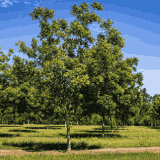
Here's the longer version. Trees bloom in April and May, and small green nuts spend the summer filling out inside a tough husk. By early fall, that husk splits open and the nut turns from green to brown, which signals harvest time. A pecan is ready for harvest once that shift happens.
Timing shifts by region. South Texas often starts as early as late September, while Hill Country and Central Texas farms, including ours, see the bulk of harvest land right around Thanksgiving. North Texas runs later and can stretch into January, with weather nudging things earlier or later each year.
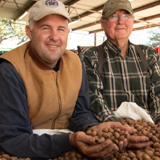
Once nuts are ready, we don't wait for them to fall on their own. Mechanical shakers gently loosen pecans from the branches, and machines called pickers gather them off the orchard floor. With years in the industry, we've learned that nailing this timing makes a real difference in nut quality.
Interested in learning more about pecan season? Read our guide on when do pecans fall.

How Long Do Pecans Last Once They're Harvested?
Fresh pecans can last a surprisingly long time if you store them right. In the shell, they keep for up to a year in a cool, dry pantry.
Shelled pecans don't last quite as long at room temperature, usually around three months. Refrigeration stretches that out to about a year.
Freezing extends shelf life even further. Shelled pecans stored in the freezer can stay fresh for up to two years, and in-shell pecans can last even longer in cold storage.
After putting it to the test in our own kitchens and shipping department, we've found that moisture and warmth are the two biggest threats to a pecan's shelf life. Oils in the nut break down once air and humidity get involved, and that's what leads to a bitter, rancid taste nobody wants.
Keeping pecans in an airtight container in the fridge or freezer is the simplest way to protect that fresh flavor for months longer than a bag left out on the counter.
What to Do With Pecans
Once you've got a fresh batch of pecans in hand, the fun part starts. Here are a few of our favorite ways to enjoy them.
2. Bake With Them
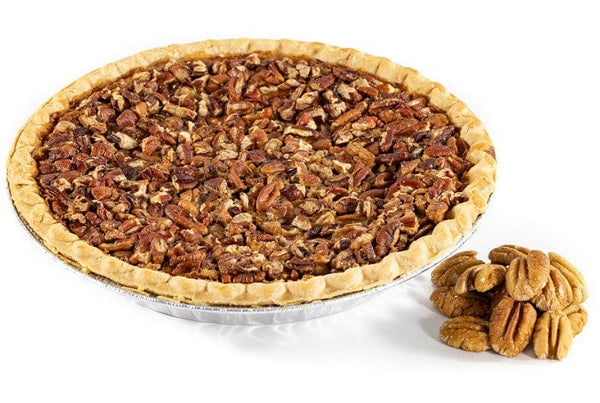
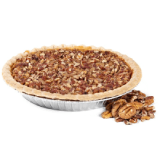
Pecans are a natural fit for pie. Pecan pie might be the most famous example, but chopped pecans also work well folded into muffin batter or sprinkled on top of a coffee cake.
Because pecans hold their shape and texture even after baking, they add a satisfying bite to just about any dessert you're already making.

1. Roast Them
Roasting brings out a pecan's natural richness and adds a satisfying crunch. Spread raw pecan halves on a baking sheet and toast them in a low oven, or use a dry skillet over medium heat and stir often so they don't scorch.
A few minutes is usually all it takes. Once they've cooled, toss them into salads, oatmeal, or your favorite baked goods.
3. Snack on Them
Sometimes the simplest option is the best one. Raw pecans make a filling, protein-packed snack straight out of the bag.
If you want a little more flavor, try tossing them with butter and salt before roasting, or look for seasoned varieties like honey roasted or spiced pecans.
4. Add Them to Savory Dishes
Pecans aren't just for dessert. Toss chopped pecans into a green salad, stir them into a grain bowl, or sprinkle them over roasted vegetables for some crunch.
Their buttery flavor pairs especially well with goat cheese, fresh greens, and a light vinaigrette. A handful goes a long way in turning an ordinary side dish into something special.
5. Make Your Own Trail Mix
Pecans hold up well next to dried fruit, seeds, and other nuts, which makes them a natural fit for homemade trail mix. Mix in some raisins or dried cranberries for a little sweetness.
Store it in a resealable bag or container, and you've got a portable snack ready for road trips, hikes, or a midafternoon pick-me-up at your desk.

Pecan Season FAQs
How do you know when pecans are ready to pick?
The husk is the best clue. Once it turns brown and splits open on its own, the pecan inside is mature. If the husk is still green and tightly closed, the nut needs more time on the tree.
How long does it take a pecan tree to start producing nuts?
Most pecan trees need seven to ten years before they bear their first real crop. Once established, though, a healthy tree can keep producing for decades, sometimes even a century or more.
Why do some years produce more pecans than others?
Pecan trees are naturally cyclical. A heavy crop one year often leaves less energy for the next, so growers typically see a big harvest followed by a lighter one. Weather and tree age also play a part.
Conclusion
Pecan season might begin with a bloom in spring, but the real action for buyers happens each fall, especially across Texas from October through December.
Knowing when pecans are harvested helps you catch them at their freshest, whether you're shopping a roadside stand or ordering online. From our experience, Texas pecans stand out for their rich flavor and buttery texture, and we're proud to grow ours right here in San Saba.
If you're ready to taste what a fresh harvest brings, browse our collection of Texas pecans and see what generations of know-how can bring to your table.